Let’s be real for a second. If you’re anything like me, you’ve spent weekends wandering the shores of Cape Cod, soaking up the sun in the Algarve, grabbing fish and chips on a British pier, or chasing seashells with the kids along the Mediterranean coast. The ocean isn’t just some vast blue expanse on a map—it’s the backdrop to our favorite memories, the heartbeat of our coastal towns, and the source of that fresh, flaky salmon we fire up on the grill every summer.
I used to write off ocean conservation as a cause only for hardcore environmentalists, marine biologists, or folks who live aboard a boat. I’d scroll past those gut-wrenching videos of sea turtles tangled in plastic, glance dismissively at the “save the ocean” posts on Instagram, and carry on with my day. But here’s the truth I didn’t grasp until recently: this isn’t some niche, far-off issue. It’s deeply personal. It hits our wallets, our dinner plates, our favorite vacation spots, and the world we leave for our kids.
This isn’t going to be one of those guilt-tripping, doomsday articles that makes you want to slam your laptop shut. I’m not here to lecture you for using a plastic straw once or ordering takeout after a long day. I’m here to chat like a neighbor—breaking down why the ocean’s health is directly tied to ours, what’s actually going wrong (and what we can realistically fix), and the tiny, effortless swaps that add up to real change. No extreme lifestyle overhauls, no empty platitudes—just straight, relatable talk for anyone who’s ever loved a day by the water.
The Ocean Isn’t “Out There”—It’s Part of Our Everyday Lives
How many times have you heard someone say, “I don’t live near the ocean, so why does this matter?” Spoiler: That’s a myth. The ocean is the quiet workhorse of our planet, and it touches every single one of us—even if you’re in a landlocked suburb in the Midwest or a city apartment in Berlin.
Let’s start with the basics: The ocean makes half the oxygen we breathe. It soaks up nearly 30% of the carbon pollution we pump into the air, keeping our summers from getting even hotter, our hurricanes from getting even stronger, and our coastal cities from flooding faster. For folks in Florida, the Netherlands, or coastal Spain, a healthy ocean is our first shield against extreme weather. When it’s damaged, we all pay the price—higher insurance bills, ruined homes, lost vacation days.
Then there’s the money side of it. The “blue economy” (that’s just a fancy term for ocean-related jobs and businesses) is worth trillions, and it keeps millions of Western families afloat. Think the lobsterman in Maine who’s been fishing for 40 years, the surf instructor in California, the small hotel owner in Greece, or the local fishmonger at your neighborhood market. When the ocean suffers, these people lose their livelihoods—and that ripples into our own lives: pricier seafood, fewer job opportunities, and boarded-up shops in the towns we love to visit.
And let’s not forget dinner. Seafood is a staple in our kitchens—whether it’s Sunday brunch salmon, weeknight shrimp scampi, or classic fish and chips. Right now, nearly 34% of global fish stocks are overfished, per the UN. That means our favorite meals are going to get scarcer, more expensive, and harder to find. For anyone who cares about good food and supporting local fisheries, that’s a problem worth fixing.
The Real Threats to Our Oceans (And They’re Closer Than You Think)
We’ve all seen the headlines about the Great Pacific Garbage Patch, but the ocean’s biggest problems aren’t just distant disasters—they’re the result of small, daily choices we all make, and broken systems we can push to change. Let’s cut through the jargon and talk about what’s actually hurting our waters:
1. Plastic Pollution: Our Trash Is Choking the Coast
Here’s the unvarnished truth: 8 million tons of plastic dump into our oceans every single year, and most of it starts in our own homes—disposable water bottles, takeout containers, thin grocery bags, even microfibers that shed from our synthetic workout clothes. Marine life can’t distinguish plastic from prey: Turtles gobble plastic bags mistaking them for jellyfish, seabirds feed plastic shards to their hatchlings, and those tiny microplastics wind up in the fish we end up eating ourselves.
A 2023 peer-reviewed study found microplastics in nearly 90% of popular seafood sold at mainstream Western supermarkets. Let that sink in: we’re inadvertently consuming our own trash. On top of that, trash-littered beaches destroy tourism—who wants to lay out on sand covered in bottles and food wrappers? It cripples local small businesses and turns our favorite coastal spots into unrecognizable, uninviting stretches of shoreline. The silver lining? This is the easiest crisis to tackle, one reusable bottle or tote bag at a time.
2. Overfishing: Big Boats Are Emptying Our Oceans
Not all fishing is bad—small-scale, local fishermen are the good guys, following rules to keep populations steady. The issue is industrial overfishing: huge factory boats scooping up everything in their path, using destructive methods like bottom trawling that scrape coral reefs and seagrass beds to rubble. Illegal fishing boats also sneak into protected areas, stealing fish and undercutting the hardworking locals who play by the rules.
When we lose top predators like tuna and sharks, the whole food chain falls apart. Small fish multiply out of control, killing reefs and ruining habitats. The fix? Simple: Choose sustainable seafood. Labels like MSC (Marine Stewardship Council) aren’t just marketing—they’re a guarantee the fish on your plate was caught without destroying the ocean.
3. Climate Change: The Silent Killer Warming Our Waters
Climate change hits the ocean harder than anywhere else. Waters are getting warmer, causing mass coral bleaching—turning vibrant, colorful reefs into white, dead graveyards. The ocean is also getting more acidic, eating away at the shells of oysters, clams, and tiny plankton that every marine creature depends on.
In the U.S., warmer waters are pushing fish north, ruining historic fisheries in New England. In the Mediterranean, the water is heating up faster than any other ocean, threatening sea turtles and monk seals, and ruining wine crops and farmland that rely on stable coastal weather. This isn’t a future problem—it’s happening right now, and protecting the ocean is one of our best weapons against it.
4. Destroyed Coastal Habitats: Losing Our Ocean’s “Safety Nets”
Coral reefs, mangroves, and seagrass beds are the ocean’s unsung heroes. They protect coastlines from storms, filter pollution, and act as nurseries for 75% of the fish we eat. But we’re bulldozing them for marinas, housing developments, and industrial projects, or poisoning them with fertilizer runoff and sewage. In the U.S., we’ve lost half our coastal wetlands since the 1800s; in parts of Europe, 80% of seagrass is gone. Lose these habitats, and we lose our storm protection, our seafood, and the beauty of our coasts.
Ocean Conservation Doesn’t Mean Sacrifice—It Means Smarter Choices
Let’s debunk the biggest lie: You don’t have to give up beach trips, takeout, or seafood to save the ocean. This isn’t about deprivation—it’s about enjoying the things we love responsibly, so we can keep enjoying them for decades.
As Western consumers, we have way more power than we think. Our dollars drive companies to change, our voices push politicians to act, and our small daily choices create a ripple effect. Here’s how to start, no matter where you live:
- Ditch single-use plastic (the easy way): Keep a reusable water bottle and tote bag in your car, skip the plastic straw at restaurants, and use glass containers for leftovers. You don’t have to be perfect—just do better.
- Buy sustainable seafood: Use the free Seafood Watch app to check what’s safe to eat, hit your local fish market instead of big grocery stores, and avoid overfished species like bluefin tuna.
- Travel like a local: Pick eco-friendly hotels, skip sunscreen with oxybenzone (it kills coral), and join a beach cleanup if you’re visiting the coast. Even inland, you can support brands that care about the ocean.
- Cut your carbon footprint: Small moves count—drive less, switch to renewable energy if you can, and turn off lights when you leave a room. Every bit of carbon we save helps cool the ocean.
- Speak up: Vote for leaders who protect the ocean, donate to trusted groups like Ocean Conservancy or local marine sanctuaries, and share facts (not fear) with your friends.
- Volunteer locally: Join a beach or river cleanup—trash in rivers always ends up in the ocean. It’s a fun way to help and meet like-minded people.
The Ocean Is Resilient—We Just Have to Give It a Chance
Here’s the part that keeps me hopeful: the ocean is incredibly resilient, and it bounces back fast when we give it the space to heal. Marine Protected Areas (MPAs)—designated zones where destructive fishing and unregulated development are limited—work absolute miracles. Monterey Bay in California went from severely depleted fish stocks to a thriving, balanced ecosystem in just a few years. Mediterranean MPAs have pulled sea turtle and monk seal populations back from the brink of extinction.
Communities that banned single-use plastics saw noticeably cleaner beaches within months, not years. Fishermen who switched to sustainable practices reported larger, more consistent catches—not smaller ones. This isn’t a lost cause; it’s a fight we can absolutely win, as long as we all pitch in.
At the end of the day, this isn’t about saving the ocean for the sake of the ocean. It’s about saving it for us: for the weekend beach trips, the family seafood dinners, the coastal towns that feel like home, and the kids who deserve to grow up watching dolphins leap in the waves, not seeing videos of plastic-choked waters.
Wrapping It Up
We don’t inherit the ocean from our parents—we borrow it from our kids. You don’t need to be an activist or a scientist to make a difference. You just need to care enough to make one small change today.
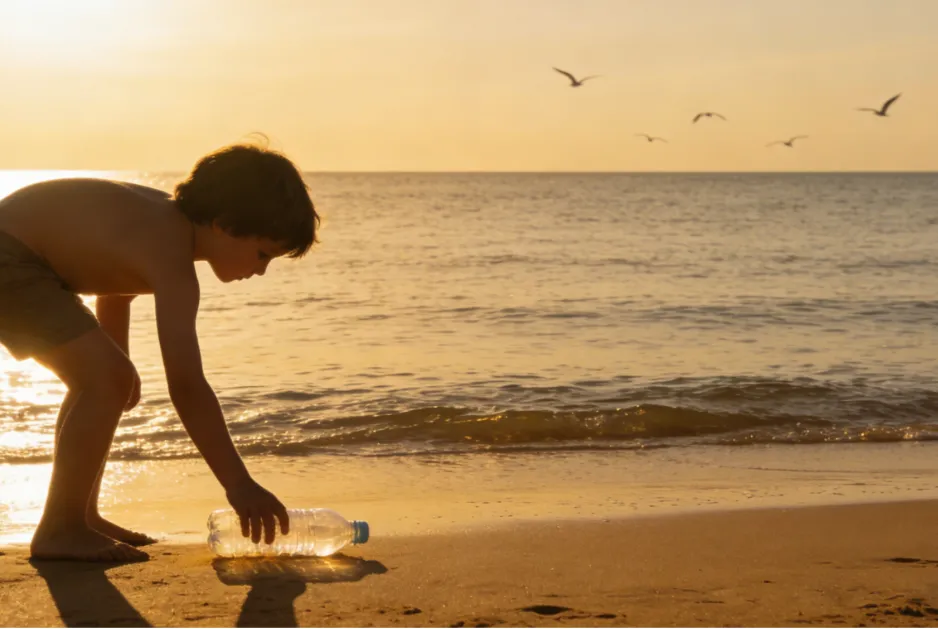
Next time you grab a reusable tote, choose sustainably sourced seafood, or bend down to pick up a piece of trash on the beach, remember this: you’re not just tidying the shoreline. You’re protecting your dinner, your dream vacation, your local community, and the shared future we all deserve. The ocean has always had our backs—now it’s long past time we have theirs.
Leave a Reply