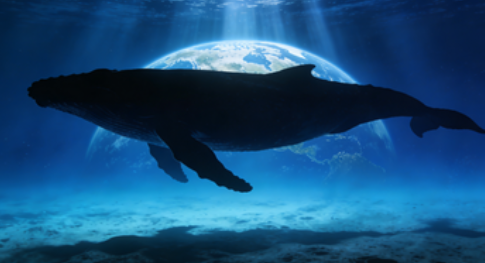
The ocean covers more than 70% of our planet 🌍, yet for most of human history it has remained one of Earth’s least understood frontiers. Today, marine science—an interdisciplinary field exploring everything from ocean currents and marine ecosystems to climate dynamics and deep-sea life 🐋—is at the center of global conversations about climate change, food security, biodiversity, and future technology.
For readers in North America and Europe, the ocean may not always feel present in daily life, but the reality is unmistakable: the health of the oceans influences the stability of our weather systems, the food we eat, and even the air we breathe. 🌬️
This article takes a deep dive into what marine science is, why it matters, and how new discoveries are shaping the future. Whether you’re a curious reader, a student, or someone working to protect our planet, understanding the ocean is becoming essential knowledge for the twenty-first century.
🌐 What Is Marine Science?
Marine science—sometimes called oceanography—is the study of the ocean in all its dimensions. It is broadly divided into several key branches:
1. Biological Oceanography (Marine Biology) 🐠
This branch focuses on organisms that inhabit the ocean—from microscopic plankton to whales and coral reefs. Scientists study how these organisms live, interact, and respond to environmental changes.
2. Physical Oceanography 🌊
Physical oceanographers explore waves, tides, currents, and ocean temperature—all essential for understanding weather, climate, and sea-level behavior.
3. Chemical Oceanography ⚗️
This field examines the chemical composition of seawater, including nutrient cycles, dissolved gases, and pollutants such as microplastics.
4. Geological Oceanography 🌋
From underwater volcanoes to deep-sea trenches, this field uncovers the structure and evolution of the seafloor.
Together, these disciplines create a complete picture of how the ocean works and how it affects life on Earth.
🌡️ The Ocean’s Role in Regulating Climate
Climate change is one of the most urgent issues for Western audiences, and the ocean sits at the heart of it.
A Giant Heat Buffer 🔥➡️🌊
The ocean absorbs over 90% of the excess heat trapped by greenhouse gases, preventing even more extreme global warming.
A Massive Carbon Sink 🌱
Marine ecosystems like seagrass, mangroves, and plankton capture carbon—often more efficiently than forests.
The Driver Behind Weather Patterns ⛈️
Ocean conditions influence:
- hurricanes
- rainfall
- heatwaves
- winter storms
- Arctic ice melt
Disruptions to these systems affect everything from European winters to North American storm seasons.
🐬 Biodiversity: A Hidden World Beneath the Waves
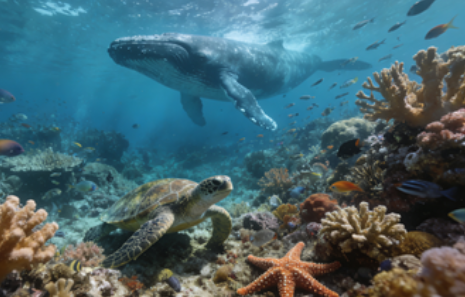
The ocean is home to millions of species—many still undiscovered.
Coral Reefs: Rainforests of the Sea 🪸
Reefs support a quarter of all marine life but are now threatened by warming waters and bleaching.
The Deep Sea: Earth’s Last Frontier 🌑
Here, strange species thrive in darkness, extreme pressure, and near-hydrothermal vents.
Marine Megafauna 🐋
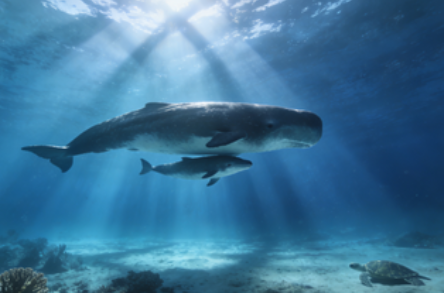
Whales, sharks, and sea turtles shape ecosystems and act as indicators of ocean health.
⚠️ Human Impact: Challenges Facing Our Oceans
Despite its vastness, the ocean is fragile. Today, several human-driven threats require urgent action.
1. Plastic Pollution 🧴➡️🌊
Millions of tons of plastic enter the ocean every year. Microplastics are now found in ice, seafood, and even human blood.
2. Ocean Acidification 🧪
Rising CO₂ levels make seawater more acidic, threatening corals, shellfish, and fisheries.
3. Overfishing 🎣
Unsustainable practices are pushing many fish populations toward collapse.
4. Climate-Driven Habitat Loss 🌡️🐟
Species are migrating to cooler waters, forcing fisheries and ecosystems to rapidly adapt.
🤖 Innovation and Technology: The Future of Marine Science
Technology is transforming how scientists study the ocean.
1. Autonomous Underwater Vehicles (AUVs) 🤿
These robotic explorers map the deep sea and discover new ecosystems.
2. Satellite Oceanography 🛰️
Satellites track sea temperatures, phytoplankton, and ocean circulation in real time.
3. Environmental DNA (eDNA) 🧬
A new method that detects species by analyzing tiny traces of DNA in seawater.
4. Blue Biotechnology 🧫
Marine organisms inspire new medicines, sustainable materials, and eco-friendly technologies.
🌍 Why Marine Science Matters for Everyone
Even if you live far from the coast, the ocean shapes your life.
You Breathe Ocean Air 🌬️
Phytoplankton produce roughly half of Earth’s oxygen.
You Eat Ocean-Dependent Food 🍤
Hundreds of millions rely on fisheries for nutrition.
You Depend on Stable Climate Systems 🌦️
Ocean changes influence storms, droughts, and seasonal temperatures.
You Benefit from Ocean-Driven Innovation 💡
Medical discoveries and new materials often come from marine organisms.
🤝 The Path Forward: A Global Effort
International cooperation is key. The UN’s Decade of Ocean Science (2021–2030) encourages nations to work together on:
- marine conservation
- climate solutions
- sustainable fisheries
- ocean monitoring
- public outreach
Everyone can help—from reducing plastic use to choosing sustainable seafood.
🌅 Conclusion: Our Shared Blue Future
Marine science reveals an ocean that is extraordinary, fragile, and essential to all life. As climate change accelerates, understanding the ocean is not optional—it’s a necessity.
Whether you’re reading from the Pacific Northwest, the Mediterranean coast, or the heart of Europe, one thing is true:
The ocean sustains life on Earth, and its future is our future. 💙🌍
Leave a Reply