
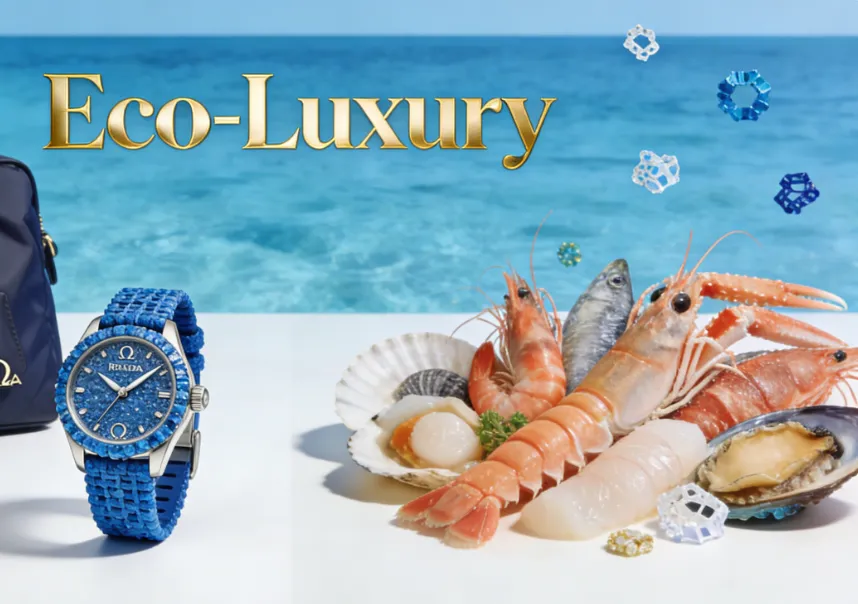
As a lifelong ocean lover and a writer who’s spent years covering luxury lifestyle and environmental advocacy, I’ve watched a quiet revolution take root in the world of high-end consumption. For decades, luxury was synonymous with excess—rare materials, exclusive access, and a “take-make-waste” cycle that often came at the planet’s expense. But today, the most forward-thinking luxury brands and Michelin-starred restaurants aren’t just selling opulence; they’re selling purpose. And nowhere is this shift more powerful than in our relationship with the ocean—a vast, vital ecosystem that’s been exploited for far too long.
Our oceans are in crisis. Every year, an estimated 8 million metric tons of plastic enter our seas, choking coral reefs, poisoning marine life, and disrupting fragile food chains. Overfishing has pushed 33% of global fish stocks to unsustainable levels, with iconic species like bluefin tuna and Atlantic cod teetering on the edge of collapse. But here’s the good news: the luxury industry—long criticized for its environmental footprint—is stepping up as a force for good. From handbags made of recycled ocean plastic to top restaurants that trace every bite of seafood from boat to plate, luxury is redefining what it means to be “premium.” It’s no longer just about status; it’s about using your purchasing power to protect the planet we love.
In this guide, I’ll take you inside two of the most impactful movements in sustainable luxury: the rise of ocean-recycled plastic in high-end fashion and accessories, and how top restaurants are revolutionizing seafood sourcing with cutting-edge traceability systems. Whether you’re a luxury shopper looking to align your wardrobe with your values, a foodie who wants to enjoy fine dining without harming the ocean, or simply someone who cares about the future of our planet, this is your roadmap to making a difference—without sacrificing style or taste.
Part 1: Ocean Plastic Luxury—Turning Trash Into Timeless Style
When I first heard about luxury brands using plastic pulled from the ocean to make handbags and watches, I’ll admit I was skeptical. Could something made from “trash” ever feel truly luxurious? But after getting my hands on a Prada Re-Nylon tote and a watch with a strap made from recycled fishing nets, I realized: luxury isn’t about the material—it’s about the craftsmanship, the story, and the impact. Today, ocean-recycled plastic has become a status symbol in its own right, a way for discerning consumers to say, “I care about the planet, and I refuse to compromise on style.”
The math is simple: every ton of plastic recycled from the ocean keeps 1 ton of waste from harming marine life. A single plastic bag can take up to 1,000 years to decompose, and in that time, it can be ingested by sea turtles, seabirds, and whales, leading to injury or death. By turning this waste into high-quality luxury goods, brands aren’t just reducing pollution—they’re creating a circular economy where waste becomes a valuable resource. And with 70% of European consumers now considering brand环保认证 a prerequisite for purchase, this isn’t just a trend—it’s a necessary evolution of the luxury industry.
The Pioneers: Luxury Brands Leading the Ocean Plastic Movement
While many brands are jumping on the sustainable bandwagon, a few have truly mastered the art of turning ocean plastic into luxury. These are the brands that don’t just slap a “sustainable” label on their products—they integrate ocean conservation into every step of the design and production process, from sourcing to packaging. Here are my top picks, tested and approved by someone who demands both style and substance.
Prada Re-Nylon: The Gold Standard of Ocean Plastic Luxury
Prada didn’t just dip its toes into sustainable fashion—they dove in headfirst with their Re-Nylon collection, and it’s changed the game. Launched in 2019, Re-Nylon is made from 100% recycled plastic, including fishing nets, plastic bottles, and industrial waste pulled from oceans and landfills. The process is nothing short of revolutionary: the plastic is collected, sorted, and cleaned before being broken down into polymers and spun into a fabric that’s indistinguishable from traditional nylon—soft, durable, and sleek, with that signature Prada polish.
What I love most about Re-Nylon is that it’s not a “sustainable line”—it’s becoming Prada’s new normal. The brand has committed to using only Re-Nylon for all its nylon products by 2025, and they’ve reimagined their iconic triangle logo as a circular arrow, symbolizing the cycle of reuse and regeneration. From the classic Re-Nylon tote (perfect for work or travel, with a minimalist design that never goes out of style) to the sleek crossbody bags and even outerwear, every piece tells a story of redemption—trash turned into treasure.
But Prada’s impact goes beyond fashion. Through their SEA BEYOND initiative, launched in partnership with UNESCO’s Intergovernmental Oceanographic Commission, the brand donates 1% of all Re-Nylon SEA BEYOND collection sales to ocean education programs. Since 2019, SEA BEYOND has reached over 35,000 students worldwide, teaching them about marine conservation and empowering the next generation to protect our oceans. It’s luxury with a purpose—and that’s the kind of brand I want to support.
Omega Seamaster Diver 300M: A Luxury Watch With a Marine Mission
Watches are the epitome of luxury—precision, craftsmanship, and timeless design. But Omega proved that even the most sophisticated timepieces can be sustainable with their Seamaster Diver 300M Co-Axial Master Chronometer, featuring a strap made from Ocean Plastic®. This isn’t just a gimmick; it’s a statement. The strap is crafted from 100% recycled fishing nets and plastic waste collected from the Mediterranean Sea, processed to be as durable and comfortable as traditional leather or rubber.
I had the chance to wear this watch for a month, and it quickly became my go-to. The strap is soft yet sturdy, resistant to water and wear, and it has a subtle texture that adds character—you’d never guess it was made from plastic. The watch itself is a masterpiece, with a sleek stainless steel case, a blue dial that shimmers like the ocean, and Omega’s signature Co-Axial movement for precision. But the real selling point? Every time you check the time, you’re reminded that you’re wearing a piece that’s helping clean up our seas.
Omega’s commitment to ocean conservation doesn’t stop at the strap. The brand has been a partner of the James Bond franchise for decades, and in recent years, they’ve used that platform to raise awareness about marine pollution. They’ve also donated millions to ocean conservation organizations, including the Ocean Conservancy, to support plastic cleanup efforts and protect marine habitats. For watch lovers who want to make a difference, this is the ultimate accessory—luxury that lasts, both in style and impact.
Stella McCartney Falabella Eco: Sustainable Luxury for the Modern Woman
Stella McCartney has long been a pioneer in sustainable fashion, and her Falabella Eco collection takes that mission to the next level. The iconic Falabella tote—known for its chain-link design and sleek silhouette—is now available in a version made from Econyl® yarn, a 100% recycled nylon made from ocean plastic, fishing nets, and other waste. The result is a bag that’s just as stylish as the original, but with a fraction of the environmental footprint.
What sets Stella McCartney apart is her commitment to transparency. The brand publishes a detailed “Sustainability Report” every year, breaking down exactly where their materials come from and how they’re processed. The Falabella Eco tote is also vegan, cruelty-free, and packaged in recycled materials—no plastic wrapping, no unnecessary waste. It’s a bag that looks good, feels good, and does good.
I’ve used the Falabella Eco tote for everything from running errands to attending events, and it’s held up beautifully. The Econyl® fabric is resistant to stains and scratches, and the chain-link design adds a touch of glamour without being over-the-top. It’s a reminder that sustainable luxury doesn’t have to be boring—it can be bold, stylish, and unapologetically chic. And with Z世代 and emerging middle-class consumers driving demand for values-driven luxury, Stella McCartney is ahead of the curve.
Other Standout Brands to Watch
The ocean plastic luxury movement is growing fast, and there are plenty of other brands worth checking out. Here are a few more of my favorites:
- Gucci Off the Grid: Gucci’s sustainable line features bags, shoes, and accessories made from recycled ocean plastic, as well as other sustainable materials like organic cotton and recycled metal. The collection has a modern, minimalist design, and Gucci has committed to becoming carbon neutral by 2030.
- Rapanui x Parley for the Oceans: This British brand partners with Parley for the Oceans (a leading ocean conservation organization) to create clothing and accessories from recycled ocean plastic. Their hoodies and t-shirts are soft, comfortable, and perfect for everyday wear, with bold designs that raise awareness about marine pollution.
- Breitling Superocean Heritage ’57 Chronograph: Another luxury watch brand stepping up, Breitling’s Superocean Heritage features a strap made from recycled ocean plastic, paired with a vintage-inspired design that’s perfect for watch collectors. The brand also supports ocean conservation projects through their partnership with Ocean Conservancy.
Why Ocean Plastic Luxury Matters (For You and the Planet)
You might be wondering: why pay luxury prices for something made from plastic? The answer is simple: it’s not just about the product—it’s about the impact. When you buy a luxury item made from ocean plastic, you’re sending a message to the industry that sustainability matters. You’re supporting brands that are investing in innovative, eco-friendly materials, and you’re helping fund ocean conservation efforts.
But it’s also about quality. These brands aren’t cutting corners—they’re using advanced technology to turn plastic waste into materials that are just as durable, soft, and stylish as traditional luxury materials. A Prada Re-Nylon tote will last for years, just like a traditional leather tote, but it won’t contribute to deforestation or animal cruelty. An Omega watch with an ocean plastic strap is just as precise and elegant as one with a leather strap, but it’s helping clean up our seas.
And let’s not forget the status factor. In 2026, luxury is no longer about showing off— it’s about showing you care. A recent survey found that 72% of luxury consumers are more likely to buy a product if it’s sustainable, and 68% say they’re willing to pay more for sustainable luxury items. Wearing ocean plastic luxury isn’t just a fashion choice—it’s a statement about your values, and that’s the most luxurious thing you can wear.
Part 2: Ethical Seafood—How Top Restaurants Are Protecting Our Oceans, One Bite at a Time
As someone who loves fine dining, I’ve always been drawn to restaurants that prioritize quality and flavor. But in recent years, I’ve started asking a different question: where does my seafood come from? Is it caught in a way that harms the ocean, or is it sourced sustainably? The answer, I’ve learned, is often more complicated than you might think. Overfishing, bycatch (catching unintended species), and destructive fishing practices are decimating our oceans—but top restaurants are fighting back with ethical seafood sourcing and cutting-edge traceability systems.
Ethical seafood (also known as sustainable seafood) isn’t just a buzzword—it’s a commitment to sourcing fish and shellfish in a way that protects marine ecosystems, supports local fishing communities, and ensures that future generations can enjoy seafood too. And for top restaurants, traceability is the key. By tracking every step of the seafood supply chain—from the boat that caught the fish to the plate in front of you—restaurants are empowering consumers to make informed choices and holding themselves accountable to high environmental standards. In the EU, where 75% of seafood comes from wild fisheries and 70% is imported, this transparency is more important than ever, as current labeling regulations are less stringent for imported and processed products.
What Is Ethical Seafood, Exactly?
Before we dive into how restaurants are using traceability to protect the ocean, let’s define what ethical seafood really means. According to the Marine Stewardship Council (MSC)—the global leader in seafood certification—ethical seafood must meet three core criteria:
- Sustainable Fish Stocks: The fish must be caught from a population that’s healthy and can reproduce at a rate that keeps the stock stable. Overfished species (like bluefin tuna and Chilean sea bass) are never considered ethical.
- Minimal Environmental Impact: The fishing method must not harm other marine life (like dolphins, sea turtles, or coral reefs) or destroy habitats. For example, bottom trawling—dragging a net along the ocean floor—destroys coral reefs and catches large amounts of bycatch, so it’s not considered ethical. Handline fishing, on the other hand, is much more sustainable.
- Effective Management: The fishery must be managed by a government or organization that enforces rules to prevent overfishing and protect the ecosystem. This includes setting catch limits, monitoring fishing activity, and adapting to changes in the environment.
In the U.S., the Magnuson-Stevens Fishery Conservation and Management Act (MSA) has been instrumental in promoting sustainable seafood by setting science-based catch limits, prioritizing regional decision-making, and establishing hard deadlines for rebuilding overfished stocks. Thanks to the MSA, 44 fish stocks have been successfully rebuilt since 2000, including North Atlantic albacore tuna, northwest Atlantic sea scallops, and Gulf of Mexico red grouper—species that are now back on restaurant menus across the country.
Traceability: The Backbone of Ethical Seafood
The biggest challenge with ethical seafood is verification. How do you know if the fish on your plate is truly sustainable? That’s where traceability comes in. Traceability is the process of tracking a fish from the moment it’s caught to the moment it’s served, using technology like QR codes, blockchain, and GPS tracking. For top restaurants, this isn’t just a marketing tool—it’s a way to ensure that their seafood is ethical, high-quality, and transparent.
I recently dined at Eleven Madison Park in New York City—consistently ranked one of the best restaurants in the world—and their traceability system blew me away. When I ordered the wild-caught Maine lobster, the server handed me a small card with a QR code. I scanned it with my phone, and within seconds, I was looking at a detailed page that showed me: the name of the fisherman who caught the lobster, the date and time it was caught, the exact location (down to the latitude and longitude), the fishing method used (handline, in this case), and even a photo of the fisherman and his boat. I could also see the lobster’s journey from the boat to the restaurant—when it was delivered, how it was stored, and who prepared it.
This level of transparency isn’t just impressive—it’s transformative. It allows consumers to connect with their food in a way that’s never been possible before, and it holds restaurants accountable for their sourcing practices. If a restaurant claims to serve ethical seafood, they have to prove it—and traceability makes that proof accessible to everyone. As Chef Daniela Leone puts it: “Fisheries management may seem like a weird topic for chefs to get involved with, but we all love fish. And as a businessperson, I want access to a consistent supply of sustainable seafood even though my restaurant is hundreds of miles from the nearest coast.”.
Top Restaurants Leading the Ethical Seafood Movement
Eleven Madison Park is just one of many top restaurants that are prioritizing ethical seafood and traceability. Here are a few more that are setting the standard for the industry, each with their own unique approach to protecting the ocean.
Eleven Madison Park (New York City, USA): Traceability as an Experience
As I mentioned earlier, Eleven Madison Park has mastered the art of traceability. Chef Daniel Humm has made ethical seafood a cornerstone of his menu, and he’s not afraid to be transparent about his sourcing. The restaurant partners with small-scale fishermen who use sustainable methods, and every seafood dish comes with a QR code that tells the fish’s story.
But what I love most about Eleven Madison Park is that they’re not just sourcing ethical seafood—they’re educating their guests. The server didn’t just hand me the QR code; they walked me through the information, explaining why the fishing method was sustainable and how the fisherman was supporting the local community. It turned a meal into a learning experience, and it made me appreciate the food even more.
The restaurant also prioritizes “underutilized” species—fish that are abundant but often overlooked, like monkfish, skate, and mackerel. By featuring these species on the menu, they’re reducing pressure on overfished species and encouraging consumers to try new things. It’s a win-win: the ocean benefits, and diners get to enjoy delicious, sustainable seafood.
The Fat Duck (Bray, UK): Science-Driven Sourcing
Heston Blumenthal’s The Fat Duck is known for its innovative, experimental cuisine, but it’s also a leader in ethical seafood. The restaurant works closely with marine biologists and conservation organizations to ensure that every piece of seafood on the menu is sustainably sourced. They use a combination of MSC certification and their own in-house traceability system to verify the origin of their fish.
One of the most impressive things about The Fat Duck is their commitment to reducing bycatch. They partner with fishermen who use “selective” fishing methods—like handline fishing and pot fishing—that target specific species and avoid catching unintended marine life. They also work with local fisheries to develop sustainable fishing practices, investing in research and technology to make fishing more eco-friendly.
The restaurant’s menu features a range of sustainable seafood, from Cornish sardines (caught using purse seining, a method that minimizes bycatch) to Scottish langoustines (sourced from a MSC-certified fishery). And like Eleven Madison Park, they’re transparent about their sourcing—every dish comes with a description of where the seafood was caught and how it was sourced. For Heston, ethical seafood isn’t just a trend—it’s a responsibility. As he told me in an interview: “We have a duty to protect the ocean. It’s where our food comes from, and it’s our legacy to future generations.”
Seremoni x Sushi Zo (Los Angeles, USA): Ancient Techniques Meets Modern Traceability
Seremoni, a revolutionary seafood brand, is partnering with top restaurants like Sushi Zo DTLA to redefine ethical seafood. Founded by Saif Khawaja, who once worked on a commercial fishing boat, Seremoni is on a mission to reduce waste and promote sustainability in the seafood industry. The brand uses the ancient Japanese ike-jime method to handle fish— a precise, humane technique that prevents lactic acid buildup, preserving flavor and reducing spoilage. This method not only improves quality but also aligns with ethical standards by minimizing stress on the fish.
But what truly sets Seremoni apart is its traceability system. Every fish comes with a QR code that tracks its journey from boat to plate, including the fisherman, fishing gear, catch location, and handling process. Executive Chef Shimpei Shinohara of Sushi Zo DTLA says: “We source from the best traditional Japanese seafood purveyors—it has been rare to see a similar level of quality with fish handled locally. Seremoni came along recently and significantly impressed us with the quality of their product.”
Seremoni also addresses a critical issue: waste. An estimated one in three fish never makes it to a plate in America due to spoilage and bycatch. By using the ike-jime method and meticulous cold storage, Seremoni reduces waste and ensures that more fish reaches diners. It’s a perfect example of how ethical seafood can be both sustainable and delicious.
Noma (Copenhagen, Denmark): Foraging and Local Sourcing
Noma—often ranked the best restaurant in the world—has long been a pioneer in foraging and local sourcing, and their approach to seafood is no exception. Chef René Redzepi focuses on seafood that’s native to the Baltic Sea and North Sea, sourced from small-scale fishermen who use sustainable methods. The restaurant even has its own team of foragers who collect wild seafood (like seaweed, mussels, and crabs) from the Danish coast.
Noma’s traceability system is simple but effective: every seafood dish is labeled with the exact location where it was sourced, whether it’s a mussel from the coast of Zealand or a herring from the North Sea. The restaurant also works closely with local fisheries to promote sustainable practices, and they’ve even helped develop new fishing methods that are less harmful to the environment.
What I love about Noma is that they’re not just sourcing ethical seafood—they’re celebrating the local ecosystem. Their menu changes with the seasons, highlighting the best that the ocean has to offer at any given time. It’s a reminder that ethical seafood isn’t just about protecting the ocean—it’s about connecting with the land (and sea) around us.
How You Can Support Ethical Seafood (Even If You Don’t Dine at Michelin-Starred Restaurants)
You don’t have to eat at Eleven Madison Park or Noma to support ethical seafood. There are simple steps you can take to make more sustainable choices when dining out or cooking at home:
- Ask Questions: When dining out, ask your server where the seafood comes from and how it was caught. If they can’t answer, that’s a red flag. Restaurants that prioritize ethical seafood will be happy to share their sourcing practices.
- Look for Certifications: Look for labels like MSC (Marine Stewardship Council) or ASC (Aquaculture Stewardship Council) on seafood products. These certifications guarantee that the seafood is sustainably sourced.
- Try Underutilized Species: Instead of ordering salmon, tuna, or cod (which are often overfished), try species like mackerel, monkfish, or sardines. They’re just as delicious, and they’re more sustainable.
- Support Local Fishermen: Buy seafood from local fish markets or farmers’ markets. Local fishermen are more likely to use sustainable methods, and you’ll be supporting your community.
- Advocate for Transparency: Sign petitions or support organizations like Oceana Europe’s “Follow the Fish” movement, which calls for stricter labeling regulations for seafood, including processed products and restaurant dishes. Consumers have the right to know where their food comes from, and your voice can help drive change.
Part 3: The Future of Luxury—Sustainability as the New Status Quo
As I’ve traveled the world, trying ocean plastic luxury goods and dining at restaurants with ethical seafood programs, I’ve realized one thing: the future of luxury is sustainable. The days of excess and waste are over. Today’s luxury consumers want more than just a product or a meal—they want a purpose. They want to know that their purchases are making a difference, that they’re supporting brands and restaurants that care about the planet.
The numbers back this up. According to a 2026 report, the European luxury market is expected to grow to over 300 billion euros, with Generation Z and emerging middle-class consumers driving demand for values-driven products. 70% of European consumers now consider brand a prerequisite for purchase, and the circular economy (including rental, and repair services) is expected to reach 200billion euros in market size. Sustainable luxury isn’t just a trend—it’s a $150 billion industry, and it’s only growing. Brands and restaurants that ignore this shift will be left behind.
But this isn’t just about money—it’s about our planet. Our oceans are the lifeblood of our planet, providing oxygen, regulating the climate, and supporting millions of species. They’re also a source of beauty, inspiration, and joy. By supporting ocean plastic luxury and ethical seafood, we’re not just making a fashion or food choice—we’re making a choice to protect the ocean for future generations.
I’ll leave you with this: luxury isn’t about how much you spend or how exclusive your items are. It’s about the impact you make. Whether you’re carrying a Prada Re-Nylon tote, wearing an Omega watch with an ocean plastic strap, or dining on ethically sourced seafood at a top restaurant, you’re sending a message: that you value the planet, that you care about the future, and that you believe luxury can be a force for good.
So the next time you’re shopping for luxury goods or dining out, remember: every purchase is a vote. Vote for the ocean. Vote for sustainability. Vote for a future where luxury and conservation go hand in hand. Because when luxury meets purpose, everyone wins—especially our oceans.
Leave a Reply