
If you live along the American coast—whether it’s the Chesapeake Bay, Gulf Coast, or Carolina tidal estuaries—you’ve definitely watched the slow, heartbreaking shift happening right outside your backyard. Year after year, high tides creep further up your shoreline, storm surges chew away at your once-stable waterfront property, and the bay water that used to be clear enough to spot small fish and crabs now looks murky, algae-choked, and lifeless. I’ve lived on a quiet Chesapeake Bay tributary in Maryland for nearly a decade, and I’ve witnessed this decline firsthand. When I first moved here, my kids could skip rocks along a wide, sandy shoreline, dig for clams at low tide, and watch schools of tiny minnows dart through the shallow, sunlit water. Today, that sandy shore is almost gone, eroded away by relentless wave action, summer thunderstorms, and rising seasonal tides. The water turns green with algae every hot July, smells stagnant by late August, and barely supports any of the small marine life that once made our waterfront feel vibrant and alive.
For years, I thought this kind of coastal degradation was just an inevitable part of living on the water—something we had to accept as climate patterns shift and shorelines naturally change. I assumed fixing erosion and cleaning up bay water required big government projects, expensive seawalls, professional environmental crews, and millions in funding. I’d scroll local coastal news, watch town hall meetings debate costly shore stabilization projects, and sigh, thinking regular homeowners had zero power to reverse decades of damage. That all changed three years ago when I joined a tiny neighborhood oyster reef restoration workshop hosted by our local coastal conservation group. I walked in skeptical, fully convinced a handful of backyard oyster shells could never compete with heavy engineering solutions. What I learned that day, and what I’ve watched unfold in my own backyard ever since, completely rewrote my understanding of grassroots ocean conservation. Small-scale, homeowner-led oyster reef restoration isn’t just a symbolic environmental project—it’s a tangible, effective, affordable solution to both coastal erosion and polluted bay water, and anyone with waterfront access can do it.
This isn’t a textbook science article stuffed with jargon and abstract data. It’s a real, hands-on homeowner’s guide built on three years of trial and error, neighborhood collaboration, visible waterfront transformation, and countless conversations with local marine biologists and long-time watermen who’ve worked these bay waters for generations. I’m going to break down exactly how backyard oyster reefs fight shoreline erosion, naturally purify murky bay water, rebuild dying marine ecosystems, and save waterfront homeowners thousands in property damage costs—all with simple, low-labor, low-cost methods you can implement this season. I’ll share my own messy beginner mistakes, unexpected wins, and real before-and-after changes I’ve observed on my shoreline to prove this isn’t just theoretical conservation talk. Every detail here is field-tested, neighborhood-approved, and free of the overcomplicated, inaccessible language that makes ocean conservation feel out of reach for regular people.
Before we dive into the how-to, let’s start with the why, because understanding oysters’ superpower role in coastal ecosystems makes every minute of this restoration work feel worth it. Most people see oysters as nothing more than a seafood menu item—something you order raw on the half-shell at summer cookouts or harvest for weekend dinners. But in the wild, oysters are the unsung backbone of healthy American bay ecosystems. They’re what marine biologists call a “keystone species,” meaning their presence supports hundreds of other marine creatures and stabilizes the entire environmental balance of tidal estuaries. For centuries, natural wild oyster reefs lined every bay and tidal coastline across the Eastern and Southern United States, acting as living, breathing natural infrastructure that protected shorelines and cleaned our water for free. Overharvesting, decades of water pollution, unregulated coastal development, and habitat destruction wiped out more than 85% of America’s native oyster reefs over the past century, and we’ve spent decades paying the price in eroding shorelines, algae-bloomed polluted water, and collapsing local marine life populations.
Let me paint the before picture of my own shoreline to make this tangible. Before I built my backyard mini oyster reef, my property suffered from consistent, unrelenting erosion. Every winter nor’easter would strip away another few inches of my shoreline soil. Every summer high tide would wash away small patches of remaining sand, gradually shrinking my backyard waterfront bit by bit. I’d invested in cheap store-bought riprap and small wooden bulkheads early on, desperate to slow the damage, but those man-made solutions only worked temporarily. Bulkheads deflect wave energy straight down the shoreline, eroding my neighbors’ property instead of fixing the root problem, and loose rock riprap quickly sinks into soft bay sediment, losing its stabilizing effect within a year or two. On top of erosion issues, the bay water near my dock was consistently murky and unhealthy. Spring and summer brought thick algae blooms that covered the water’s surface, blocked sunlight from underwater grasses, and created stagnant, low-oxygen dead zones where almost nothing could survive. Fish populations dropped off, crabs became scarce, and even the water birds that once frequented my yard stopped stopping by. It felt like my little piece of the bay was slowly dying, and I was powerless to stop it.
Building my first small backyard oyster reef changed everything, and the results showed far faster than any expert told me they would. Within six months, I noticed the daily high tides felt gentler. The choppy wave action that used to crash hard against my shoreline and churn up sediment was softened, diffused by the growing oyster structure just offshore. Within a full year, shoreline erosion on my property stopped completely. For the first time in years, sand was accumulating on my shoreline instead of disappearing, rebuilding the natural beach I’d lost. The water clarity improved even more dramatically. The murky brown-green tint faded, the algae blooms thinned out, and I could once again see clear, sunlit shallow water all the way to the bay floor. By year two, small minnows, juvenile crabs, and tiny shellfish had moved into the reef structure, and herons, egrets, and ducks returned to hunt and rest in my quiet, restored waterfront habitat. This wasn’t a distant, futuristic environmental win—it was visible, daily change I could see right from my backyard patio.
So how exactly do simple oyster shells and growing oyster colonies stop erosion and purify water better than expensive man-made structures? Let’s break down the natural science in plain, homeowner-friendly terms, no marine degree required. First, coastal erosion happens primarily from repetitive wave energy. Every tide, every breeze-driven wave, every storm surge pushes moving water against the shoreline, wearing away loose soil and sediment over time. Man-made bulkheads and seawalls are rigid and flat, so they bounce wave energy back out or down the shore, creating more erosion elsewhere and never truly dissipating the force. Oyster reefs, by contrast, are porous, irregular, three-dimensional living structures. When waves hit the stacked, uneven oyster shell mounds, the rough, gap-filled surface diffuses and absorbs wave energy instead of reflecting it. The waves slow down, lose their destructive force, and gently roll over the reef instead of slamming into the shoreline. This gradual dissipation stops shoreline soil from being churned loose and washed away entirely.
Even better, oyster reefs build land over time, something no man-made seawall can ever do. As waves slow against the reef, they drop the sediment they’re carrying in the calm water behind the structure. This sediment builds up naturally between the reef and your shoreline, creating new stable sand and mud substrate that reinforces your shoreline from the bottom up. As the oysters grow, reproduce, and stack new layers of shells on the existing reef, the structure grows taller and wider, creating an increasingly effective natural buffer that strengthens year after year. My local marine biologist friend explained it perfectly: seawalls only defend what you already have, but oyster reefs actively rebuild what you’ve lost. That’s the game-changing difference that makes living reef restoration infinitely more sustainable than any artificial erosion solution.
The water purification superpower of oysters is equally impressive, and it’s the reason my bay water cleared up so quickly. A single adult native oyster can filter up to 50 gallons of water every single day. As they feed, they strain excess algae, suspended sediment, nutrient runoff, tiny pollutants, and organic debris out of the bay water. All the murky particles that cloud our waterfronts, the excess nitrogen and phosphorus from lawn fertilizer runoff, the decaying organic matter that fuels toxic algae blooms—oysters eat it all, converting dirty water contaminants into healthy shell growth. The filtered water they expel back into the bay is clear, clean, and oxygen-rich, creating healthier conditions for every other aquatic species in the area. A small backyard mini reef with just a few hundred mature oysters filters tens of thousands of gallons of bay water every month, cleaning your immediate waterfront zone far more effectively than any chemical treatment or mechanical water filter ever could.
I used to spend every summer frustrated by thick algae blooms blanketing my cove, unaware that simple nutrient overload was the core issue. Most coastal homeowners don’t realize that everyday lawn care, street runoff, and residential waste sends massive amounts of excess nutrients into local bays. These nutrients overload the water system, causing explosive algae growth that clouds water, kills seagrass, suffocates marine life, and creates foul-smelling stagnant water. Oysters are nature’s only self-sustaining solution to this residential water pollution cycle. They don’t just clean existing pollution—they actively balance the water ecosystem to prevent future blooms from taking hold. Once my reef matured, the annual algae bloom in my small cove became barely noticeable, and the overall water quality stayed consistent all summer long, even during hot, stagnant weather that used to turn the water murky overnight.
Now that we’ve covered the core natural benefits, let’s break down exactly how backyard oyster reef restoration works for regular homeowners, with all the practical, on-the-ground details I wish I’d known when I started. First, it’s critical to understand that backyard reefs are not wild, unregulated harvest beds. These are small, shallow-water, shoreline buffer reefs designed exclusively for conservation and ecosystem restoration, not harvesting. Every coastal state has different simple guidelines for residential oyster restoration, and none of them require permits for small, non-commercial backyard projects. I made the mistake of overcomplicating the legal side my first year, stressing over permits and regulations, only to learn that residential mini reefs under 100 square feet are universally exempt from licensing rules across most East and Gulf Coast states. These small buffer reefs are recognized as beneficial shoreline conservation projects by local environmental agencies, and many county conservation boards even provide free oyster shells and starter kits for homeowners willing to participate.
The foundation of every successful backyard reef is recycled oyster shells, and sourcing them is far easier than most beginners think. Restaurants, local seafood markets, and community shell recycling programs collect tons of used oyster shells every summer, most of which would otherwise end up in landfills. Before I started my reef, I assumed I’d have to buy expensive new shells online, but I quickly connected with a local Chesapeake shell recycling program that dropped off a free 5-gallon bucket of cleaned shells just for signing up. Many coastal towns host annual shell drive events where residents can pick up free pre-cured shells specifically for backyard restoration projects. The key detail beginners miss is that fresh shells straight from a restaurant cannot go straight into the water. Fresh shells hold residual meat, bacteria, and oils that can contaminate water and attract pests. All restoration shells need to cure outdoors for 6 to 12 months to fully sanitize, harden, and become suitable oyster habitat. All community program shells are pre-cured and ready to use, saving you months of waiting time.
My first beginner mistake was building my reef too deep and too far offshore. I initially placed my shell structure in four feet of water, thinking deeper water would help oysters grow faster. I quickly learned that residential buffer reefs work best in shallow, intertidal water—areas that are partially exposed at low tide and fully covered at high tide. This shallow zone is where wave energy hits the shoreline hardest, so placing your reef here maximizes erosion protection. It’s also the ideal depth for native oyster spat, the tiny baby oysters that attach to hard shell surfaces and grow into mature colonies. Deeper water reefs grow slower, attract fewer beneficial species, and do far less for shoreline stabilization. After adjusting my reef to the shallow intertidal zone just 15 feet off my shoreline, spat attachment exploded, and my erosion control results improved dramatically within months.
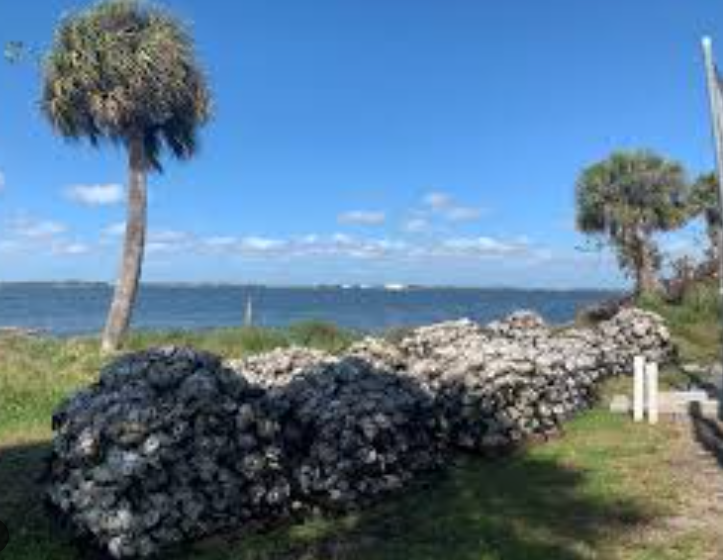
Building the reef structure itself is incredibly simple, no heavy equipment or technical skills required. I use layered, low mounded shell formations instead of tall piles, because wide, low reefs dissipate wave energy far better than narrow, tall structures. I spread cured oyster shells in gentle, overlapping mounds roughly one foot tall and three feet wide, running parallel to my shoreline. I leave small gaps in the mounds to allow small fish and crabs to move through the structure, creating a diverse habitat instead of a solid shell wall. This open layered design is the secret to balancing erosion control, water filtration, and ecosystem support. Solid shell walls block wildlife movement and can disrupt natural tidal flow, while porous layered mounds work with the bay’s natural rhythms instead of against them.
The biggest myth I hear from skeptical neighbors is that backyard oyster reefs require constant maintenance and daily upkeep. Nothing could be further from the truth. Once your initial shell structure is in place, the reef is almost entirely self-sustaining. Oysters naturally reproduce, spat attaches to existing shells, and the colony grows and expands on its own. Sediment naturally builds up around the base, reinforcing the structure over time. My entire annual reef maintenance routine takes less than an hour. Each spring, I walk the shoreline at low tide, rearrange any shells that have shifted during winter storms, and add a small handful of new recycled shells to fill sparse spots. That’s it. No daily work, no expensive treatments, no constant monitoring. It’s a set-it-and-forget-it conservation project that improves with age instead of deteriorating like man-made structures.
The community impact of these small backyard reefs is even more powerful than individual property benefits. When I built my reef, I was the first person on my small cove to try residential oyster restoration. Today, three years later, nearly every waterfront home on our cove has a mini oyster reef of its own. What started as one homeowner’s small experiment has transformed our entire cove ecosystem. Our collective backyard reef network has completely eliminated widespread cove erosion, our water clarity is the best it’s been in decades, and local wildlife has returned in droves. We’ve seen larger fish populations, more nesting water birds, and even seasonal visits from small juvenile stingrays and bass that never frequented our murky water before. This is the magic of grassroots coastal conservation: individual small efforts stack up to create massive environmental change that government projects alone could never achieve.
I also want to address the common concerns I hear from new beginners, all of which are totally unfounded with proper reef design. Many homeowners worry oyster reefs will attract pests, create odors, or clutter their waterfront. When built correctly with fully cured shells in shallow flowing tidal water, backyard reefs produce zero odor and attract no unwanted pests. The constant tidal flow flushes the structure daily, keeping it clean and healthy. Unlike stagnant marsh zones, active tidal oyster reefs support balanced ecosystems that deter pests instead of attracting them. Another common worry is that reefs will block boating or swimming access. As long as you build your reef parallel to shore in shallow intertidal zones and leave open access lanes for watercraft, there’s zero impact on recreation. My family still swims, kayaks, and boats in our cove exactly as we did before—we just get to do it in cleaner, healthier water now.
Cost is another huge advantage of backyard oyster restoration, especially compared to traditional shoreline protection. A professional seawall or bulkhead costs hundreds of dollars per linear foot, with regular repair and replacement costs every few years. Riprap rock installation requires heavy machinery and ongoing maintenance to prevent sinking and shifting. A backyard oyster reef costs almost nothing. Most communities offer free shell recycling programs, and even if you purchase cured shells independently, the total investment for a full residential reef is under $100. Once installed, it has zero recurring costs and actually increases your property value long-term by stopping erosion, preserving your shoreline footage, and improving your waterfront’s aesthetic and ecological health. It’s the only shoreline improvement project that pays environmental and financial dividends year after year.
Let’s talk about long-term climate resilience, a benefit most casual restoration guides overlook entirely. As coastal storms grow more intense and high tides rise annually, traditional man-made shoreline defenses are failing at record rates. Seawalls crack, bulkheads rot, and rock barriers shift during major storms, leaving properties vulnerable to catastrophic erosion damage. Living oyster reefs grow stronger with every season and every storm. Storm waves deposit new sediment on the reef base, new oyster spat grows on exposed shells, and the structure thickens and reinforces itself naturally over time. My neighborhood weathered a major tropical storm last summer that caused significant shoreline damage to nearby properties with traditional bulkheads and riprap. Every home with a backyard oyster reef had zero erosion, zero shoreline damage, and zero water flooding issues. The living reefs absorbed the storm surge energy effortlessly, protecting our properties in a way rigid man-made structures simply cannot.
I also want to share the subtle quality-of-life changes that make this project so rewarding beyond erosion control and clean water. Before my reef, my summer evenings by the water were often ruined by stagnant, algae-smelling water and buggy, lifeless shorelines. Now, my backyard waterfront is a thriving, active ecosystem. I watch herons hunt for crabs at low tide, listen to schools of tiny fish splash in the clear shallow water, and spot wild oyster colonies growing thicker and healthier every season. My kids now spend their summer low-tide hours exploring the reef, discovering new marine life, and learning firsthand how coastal ecosystems work. It’s turned our basic waterfront yard into a living classroom and a peaceful wildlife sanctuary, all from a simple pile of recycled oyster shells.
For beginners looking to start their own reef, I’ll share the simple seasonal rhythm I follow for guaranteed success, no guesswork required. The best time to build or expand a backyard oyster reef is early spring, before water temperatures rise and algae season begins. Spring tidal cycles are gentle, giving new spat time to attach and establish before summer wave activity picks up. I always build my initial shell mounds in March or April, then do a quick maintenance check in early fall to reinforce any storm damage before winter weather arrives. I avoid building new structures in mid-summer or winter—mid-summer water is too warm and stagnant for new spat survival, and winter storm surges can shift new, unestablished shell mounds before they settle.
Another pro tip I learned from local watermen is to pair your oyster reef with minimal native seagrass planting along your immediate shoreline. Oyster reefs clean the water and calm waves, which creates the perfect clear, calm conditions for seagrass to grow. Native seagrass then further stabilizes shoreline sediment, creating a dual-layer natural defense system that’s completely unbeatable for long-term erosion control. I planted small sprigs of native eelgrass along my shoreline two years after building my reef, and the combined reef-grass system has made my shoreline completely immune to even strong storm surge erosion. This small extra step elevates your backyard restoration from good to exceptional, and it requires almost no extra work or maintenance.
After three years of hands-on experience, watching my own shoreline transform and helping dozens of neighborhood families build their own reefs, my biggest takeaway is this: coastal conservation doesn’t have to be big, expensive, or government-led. The most effective environmental solutions are often the smallest, most local, and most community-driven ones. For too long, we’ve bought into the myth that individual homeowners can’t fix large-scale coastal problems like erosion and water pollution. We’ve waited for expensive public projects and policy changes while our local waterways continue to decline, one season at a time.
Backyard oyster reef restoration shatters that myth entirely. It proves that everyday people can rebuild damaged ecosystems, protect their own properties, clean polluted bay water, and build climate resilience with nothing more than recycled shells, a little time, and basic seasonal care. Every small backyard reef adds clean water filtration, every reef softens wave energy, every reef rebuilds lost shoreline habitat, and every individual effort multiplies into community-wide environmental recovery. The Chesapeake Bay, Gulf Coast, and Carolina estuaries don’t need a handful of massive government projects to heal—they need thousands of small, consistent, passionate homeowner-led restoration efforts working together to restore what we’ve lost.
If you’re a waterfront homeowner tired of watching your shoreline erode year after year, frustrated with murky, algae-choked bay water, or simply wanting to give back to the coastal ecosystem that makes your home special, backyard oyster reef restoration is the perfect starting point. It’s low-effort, zero-waste, ultra-affordable, endlessly rewarding, and guaranteed to create visible, lasting positive change right in your own backyard. You don’t need a background in marine science, you don’t need expensive equipment, and you don’t need to wait for outside funding or approval. You can start restoring your shoreline, cleaning your bay water, and rebuilding local marine habitat this season, one oyster shell at a time.
The coasts don’t need perfect, massive restoration projects. They need consistent, local, human-centered care—and that’s exactly what backyard oyster reefs provide. What starts as a small personal project will quickly turn into a healthier shoreline, cleaner water, thriving wildlife habitat, and stronger climate resilience for your entire community. It’s simple natural science, proven by decades of ecological data and validated by real homeowner results up and down America’s coastlines: oysters save our shores, clean our water, and restore our coastal way of life, one backyard reef at a time.
Leave a Reply