When most of us picture the ocean, we imagine vast blue horizons, the rhythmic crash of waves, or the breathtaking sight of marine wildlife gliding beneath the surface. But the ocean is far more than a scenic backdrop to our lives—it is the life-support system of the planet. It produces half of the world’s oxygen, regulates global climate, provides livelihoods for billions, and shapes cultures across continents. Yet, this critical system is now under unprecedented pressure from human activity.
Ocean conservation is no longer a topic reserved for scientists or environmental groups; it’s a global responsibility with consequences for every community on Earth. If we want a stable climate, thriving economies, and a sustainable future for generations to come, protecting the ocean is nonnegotiable. In this long-form article, we’ll explore why ocean conservation matters, the threats our seas face, and what solutions—both large and small—can reverse the damage.
The Ocean: The Beating Heart of Our Planet 💙
It’s no exaggeration to say that the ocean makes life on Earth possible. More than 70% of our planet is covered by water, but the ocean’s role extends far beyond its physical size.
1. A Climate Stabilizer 🌡️
The ocean absorbs 25–30% of human-generated CO₂ and over 90% of excess heat trapped by greenhouse gases. Without this natural buffer, global temperatures would have soared long ago.
2. A Source of Oxygen and Food 🐟
Microscopic plankton near the surface produce at least half the oxygen we breathe. And more than 3 billion people rely on seafood as a primary protein source.
3. An Economic Engine 💼
Tourism, fishing, transportation, and energy production generate trillions of dollars annually. Healthy oceans are essential not only for the environment—but also for global prosperity.
What’s Putting Our Oceans at Risk? ⚠️
Although the ocean has remarkable resilience, it cannot keep pace with the rapid pressures created by human activity. Today’s threats are vast and interconnected.
1. Plastic Pollution 🚯
Every minute, about one truckload of plastic enters the ocean. Microplastics infiltrate the food chain, harm marine life, and even reach our drinking water.
2. Overfishing and Destructive Practices 🎣
More than one-third of fish populations are exploited beyond sustainable levels. Techniques like bottom trawling destroy seabeds and coral habitats.
3. Climate Change & Ocean Warming 🔥
Rising temperatures cause coral bleaching and disrupt ecosystems. Ocean acidification threatens shellfish, coral, and plankton—the foundation of marine food webs.
4. Coastal Development 🏗️
Growing populations and tourism lead to the destruction of mangroves, seagrasses, and salt marshes—some of Earth’s most powerful carbon sinks.
5. Chemical Pollution & Runoff 🧪
Fertilizers, industrial waste, and toxins create dead zones where oxygen levels are too low for marine life to survive.
The Hidden Heroes: Marine Ecosystems That Need Our Protection 🐠
Understanding key ecosystems helps us prioritize conservation efforts.
Coral Reefs 🪸
Often called “rainforests of the sea,” reefs host 25% of all marine species. Warming waters and pollution put them at severe risk.
Mangroves 🌱
Mangroves absorb carbon at up to four times the rate of land forests, protect coastlines from storms, and support marine nurseries.
The Open Ocean 🌐
Despite its vastness, the open ocean is one of the least protected places on Earth. Migratory species like sharks, whales, and tuna need cross-border protection.
Polar Regions 🧊
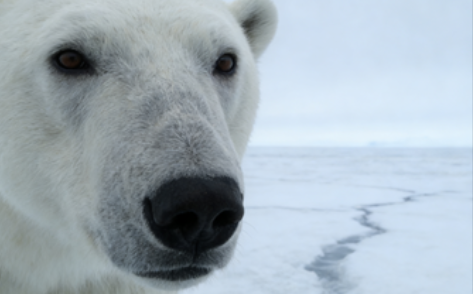
Melting sea ice affects global ocean circulation and threatens entire ecosystems and Indigenous communities.
How Technology and Innovation Are Changing the Future 🔬
Modern tools offer new hope for ocean conservation.
AI & Satellite Mapping 🛰️
AI monitors illegal fishing, tracks coral health, and identifies pollution from space.
Biodegradable Materials 🌿
Algae-based packaging and innovative bioplastics could dramatically reduce waste.
Renewable Ocean Energy 💨🌊
Tidal, wave, and offshore wind energy reduce dependence on fossil fuels.
Coral Restoration Projects 🛠️
Techniques like microfragmentation and heat-resistant coral breeding help rebuild damaged reefs.
Global Policies: Are They Enough? 🌍
International cooperation is essential—yet much work remains.
Marine Protected Areas (MPAs) 🛡️
The global goal is to protect 30% of the ocean by 2030, but less than 10% is fully safeguarded today.
UN High Seas Treaty 📜
A groundbreaking move to regulate international waters—now implementation is key.
Plastic Bans & Waste Reduction ♻️
More countries are banning single-use plastics, but large-scale change requires corporate accountability and innovation.
What Individuals Can Do: Practical Steps With Real Impact 💪
Ocean conservation starts with everyday actions.
1. Reduce Single-Use Plastics 🥤
Use reusable bags, bottles, and containers whenever possible.
2. Choose Sustainable Seafood 🐚
Check sustainability labels or online guides before buying seafood.
3. Support Ocean-Friendly Policies 🗳️
Vote for leaders committed to environmental protection. Participate in beach cleanups or support conservation groups.
4. Lower Your Carbon Footprint 🚴
Use cleaner energy, drive less, and opt for climate-friendly products.
5. Educate & Advocate 📣
Share information with family, friends, and social media communities. Awareness fuels action.
A Future Worth Protecting 🌏💙
The ocean’s story is still being written. Although the challenges are immense, the solutions are within reach—and time remains to act. But every year of delay means more coral lost, more species endangered, and more communities vulnerable to climate impacts.
Ocean conservation is not just about saving marine life—it’s about protecting ourselves. Our climate, food supply, economies, and health all depend on the sea. The choices we make today will shape the legacy we leave behind.
The ocean has always taken care of us.
Now it’s our turn to take care of it. 🌊💙
Leave a Reply