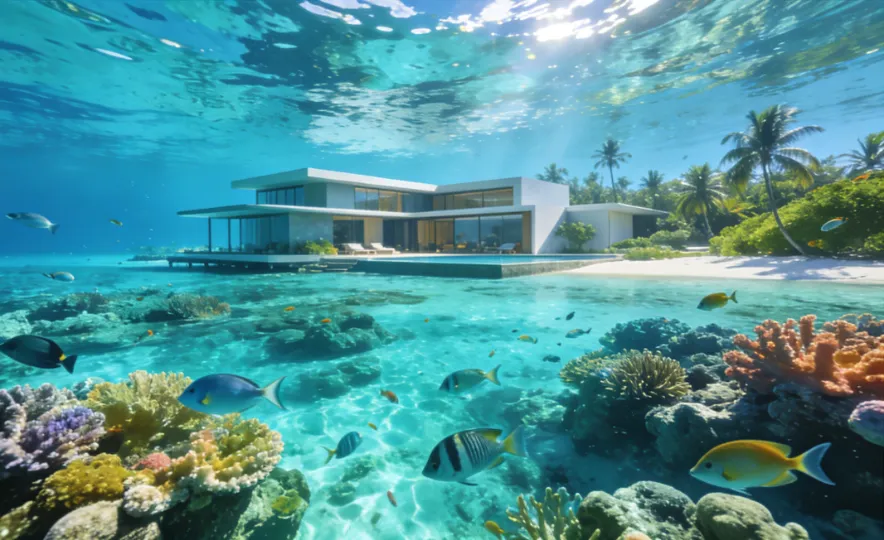
As a lifelong coastal property investor and marine conservation enthusiast, I’ve spent over two decades exploring the intersection of luxury real estate and ecological stewardship. From the turquoise waters of the Caribbean to the rugged coastlines of the Mediterranean, I’ve watched countless private island owners and waterfront villa developers make a critical mistake: treating their marine surroundings as nothing more than a scenic backdrop. What they fail to realize is this: your property’s true value isn’t just in the square footage of your villa or the white sand of your beach—it’s in the health of the ocean that surrounds it. And there’s no better way to unlock that value than by restoring coral reefs and introducing carefully selected fish populations.
Let’s be clear: this isn’t just about “being eco-friendly” (though that’s a wonderful bonus). This is a strategic investment—one that delivers tangible returns, elevates your property’s desirability, and sets it apart in a crowded luxury market. In an era where high-net-worth buyers (HNWBs) are increasingly prioritizing sustainability, privacy, and unique experiences, a thriving marine ecosystem isn’t a luxury add-on—it’s a non-negotiable selling point. Today, I’m going to break down exactly how coral reef restoration and targeted fish introduction work, why they’re game-changers for your property’s valuation, and how you can implement these strategies to maximize your return on investment (ROI)—all from the perspective of someone who’s been in the trenches, working with marine biologists, real estate experts, and property owners to turn underutilized coastal spaces into thriving, high-value assets.
First: Why Your Marine Ecosystem Is Your Property’s Most Undervalued Asset
I’ve seen it time and time again: a stunning private island with a state-of-the-art villa, infinity pool, and panoramic ocean views sits on the market for months—even years—while a smaller, less “flashy” property with a healthy coral reef just offshore sells in weeks, often for a premium. Why? Because luxury buyers today are looking for more than just a place to vacation—they’re looking for a legacy. They want a property that feels like a sanctuary, one that offers exclusive access to nature’s beauty and the peace of mind that comes with protecting it. And when it comes to coastal properties, that beauty starts beneath the waves.
Consider this: According to a 2025 study by the U.S. Geological Survey (USGS), coral reef restoration can protect hundreds of millions of dollars in coastal property annually from storm-driven flooding—and that’s before accounting for the (appreciation) it brings to individual properties. Healthy coral reefs act as natural breakwaters, reducing wave energy by up to 97% and protecting your shoreline from erosion, storm surges, and costly damage. For a private island or waterfront villa, that means lower insurance premiums, less money spent on shoreline repairs, and a property that holds its value (or appreciates) even in the face of climate change.
But the benefits go far beyond protection. A thriving coral reef is a biodiversity hotspot—home to thousands of species of fish, crustaceans, and marine life. And that biodiversity translates directly to luxury appeal. Imagine waking up to the sight of tropical fish darting through vibrant coral, or snorkeling from your private beach into a world of color and life—no crowded dive sites, no tourist boats, just you and the ocean. That’s the kind of exclusive experience HNWBs are willing to pay top dollar for. In fact, a 2026 analysis by Christie’s International Real Estate found that properties with intact, healthy coral reefs command a 20–30% premium over similar properties with degraded marine ecosystems—and that number is growing every year as sustainability becomes a core value for luxury buyers.
Then there’s the reputational value. In a world where greenwashing is rampant, genuine ecological stewardship sets you apart. When you invest in coral reef restoration and native fish populations, you’re not just improving your property—you’re building a brand. You become the owner who “gets it”—who understands that luxury and sustainability aren’t opposites, but complements. This reputation attracts like-minded buyers, increases media attention, and even opens doors to exclusive partnerships (think: eco-tourism collaborations, conservation grants, or high-end events hosted on your property).
Coral Reef Restoration: The Foundation of Marine Value
Coral reefs are often called the “rainforests of the sea,” and for good reason: they support more than 25% of all marine life, despite covering less than 0.1% of the ocean floor. But over the past few decades, coral reefs around the world have declined by more than 50% due to climate change, pollution, overfishing, and coastal development. For private island and waterfront villa owners, this isn’t just an environmental tragedy—it’s a missed opportunity. Restoring your local coral reef isn’t just a conservation act; it’s the single most effective way to boost your property’s ecological value and, in turn, its market value.
How Coral Reef Restoration Works (And It’s Easier Than You Think)
I often hear property owners say, “Restoring a coral reef sounds expensive and complicated—I don’t have the time or expertise.” But the truth is, modern coral restoration techniques are more accessible, cost-effective, and successful than ever before. You don’t need to be a marine biologist to get started—you just need to partner with the right experts (more on that later) and understand the basics of how restoration works.
The most common and effective method for private property owners is “coral gardening” (also known as fragment propagation). Here’s how it works: Marine biologists collect small fragments of healthy coral (from nearby healthy reefs, or from coral nurseries) and attach them to a substrate—usually a concrete or metal frame designed to mimic the natural reef structure. These fragments grow over time, eventually forming a new, healthy reef. For example, in Sanya, China’s Hainan Province, Wuzhizhou Island’s marine ranch has deployed over 80,000 cubic meters of artificial reefs and ship-reefs, transplanting more than 51,000 corals and creating a thriving ecosystem with over 300 species of coral reef fish. Similarly, Banwa Private Island in the Caribbean has deployed over 400 coral reef structures, leading to significant coral growth and a resurgence in marine life offshore.
Another proven method is hybrid coral restoration, which combines natural coral fragments with artificial structures to create a more resilient reef. According to the USGS, this approach is not only cost-effective but also delivers greater hazard risk-reduction benefits than traditional methods—meaning it protects your property while restoring the ecosystem. In (Mauritius), researchers found that (galvanized) metal frames used in hybrid restoration supported 93% coral survival rates in winter, while concrete blocks provided critical habitat for fish in areas with little existing coral. These results prove that restoration isn’t just about “planting coral”—it’s about creating a sustainable, self-sustaining ecosystem that benefits both your property and the ocean.
The ROI of Coral Reef Restoration: Hard Numbers
Let’s get down to the numbers—because at the end of the day, this is an investment. How much does coral reef restoration cost, and how much value does it add to your property?
The cost varies depending on the size of the reef you want to restore, the location, and the techniques used. For a private island or waterfront villa, a small-scale restoration project (covering 100–500 square meters) can cost between $15,000–$50,000. Larger projects (1,000+ square meters) can range from $100,000–$500,000. But here’s the key: the average ROI on these projects is 200–300% over 5–10 years. Let’s say you own a waterfront villa in the Caribbean valued at $2 million. Investing $50,000 in coral reef restoration could increase your property’s value by $400,000–$600,000 (20–30% premium), not to mention the savings on insurance (which can drop by 15–25% for properties with natural storm protection) and shoreline repairs.
But the value isn’t just monetary. A restored coral reef turns your property into a destination. It allows you to offer exclusive experiences like private snorkeling tours, coral gardening workshops, or underwater photography sessions—experiences that can generate additional income if you choose to rent your property (short-term rentals with access to a private reef command 30–50% higher rates than those without). It also makes your property more attractive to buyers who want to live in harmony with nature— a demographic that’s growing rapidly. According to The Dedicated House, eco-friendly homes are no longer a trend; they’re a necessity for many buyers, who are willing to pay more for properties that align with their values.
Avoiding Common Mistakes in Coral Restoration
While coral restoration is a smart investment, it’s not without pitfalls. Here are the most common mistakes I’ve seen property owners make—and how to avoid them:
- Choosing the Wrong Coral Species: Not all coral species thrive in all environments. Planting coral that’s not native to your area will result in high mortality rates and wasted money. Always work with a marine biologist to select species that are adapted to your local water temperature, salinity, and light conditions. For example, in the Caribbean, staghorn and elkhorn coral are native and resilient, while in the Mediterranean, red coral and gorgonians are better suited.
- Ignoring Water Quality: Coral reefs need clean, clear water to thrive. If your property’s runoff (from lawns, pools, or septic systems) is polluting the water, your coral will die—no matter how much you invest in restoration. Before starting a restoration project, test your water quality and address any pollution issues (e.g., installing a septic system that filters runoff, using organic fertilizers on your lawn).
- Cutting Corners on Expertise: Coral restoration is a science, not a hobby. Hiring a cheap, unqualified “consultant” will result in a failed project and lost money. Invest in a reputable marine conservation organization or a team of certified marine biologists with experience in private property restoration. Organizations like the Aquos Foundation (which works with Banwa Private Island) have a proven track record of success.
- Expecting Instant Results: Coral grows slowly—usually 1–2 centimeters per year. Don’t expect a fully restored reef overnight. It takes 3–5 years to see significant growth, and 5–10 years to have a fully mature, self-sustaining reef. Patience is key, but the long-term payoff is worth it.
Introducing Specific Fish Populations: The Missing Piece to a Thriving Ecosystem
Coral reef restoration is the foundation, but to truly maximize your property’s ecological and market value, you need to introduce specific fish populations. Fish play a critical role in maintaining a healthy reef: they control algae growth (which can smother coral), spread coral larvae, and provide food for other marine life. But not just any fish—you need to choose species that are native, beneficial to the reef, and visually appealing (because let’s be honest, luxury buyers want to see beautiful fish when they snorkel or dive).
The goal here is to create a balanced, self-sustaining ecosystem. Introducing the wrong fish (e.g., invasive species, or fish that prey on coral) can do more harm than good. Instead, focus on native species that complement the coral reef and enhance the overall aesthetic of your marine environment.
The Best Fish Species to Introduce (By Region)
The fish species you choose will depend on your location, but here are some of the most beneficial and visually striking native species for popular luxury coastal regions:
Caribbean (Private Islands & Waterfront Villas)
- Parrotfish: These colorful fish are the “gardeners” of the reef. They eat algae that would otherwise smother coral, and their excrement (which is mostly sand) helps build beaches. Parrotfish are also visually stunning—with bright blues, greens, and yellows—and are a favorite among snorkelers and divers.
- Angelfish: Another visually striking species, angelfish feed on sponges and algae, helping to keep the reef clean. They come in a variety of colors (e.g., French angelfish, queen angelfish) and are relatively easy to introduce and maintain.
- Clownfish: Made famous by “Finding Nemo,” clownfish are not only iconic but also beneficial. They form symbiotic relationships with sea anemones (which are often found on coral reefs) and help protect the anemones from predators. They’re small, colorful, and add a playful element to the reef.
- Grouper: Grouper are larger fish that help control the population of smaller fish (preventing overgrazing of algae) and are a sign of a healthy reef. They’re also a popular game fish, which can add value for buyers who enjoy fishing.
Mediterranean (Coastal Villas & Private Islands)
- Damselfish: These small, colorful fish (e.g., the Mediterranean damselfish) are native to the region and help control algae growth. They’re hardy and easy to maintain, making them a great choice for beginner restoration projects.
- Sea Bream: A popular food fish in the Mediterranean, sea bream also play a role in controlling algae and small invertebrates. They’re larger than damselfish and add diversity to the reef.
- Octopus: While not a fish, octopuses are native to the Mediterranean and are a fascinating addition to the ecosystem. They help control crustacean populations and are a unique sight for snorkelers and divers.
Southeast Asia (Tropical Private Islands)
- Butterflyfish: These delicate, colorful fish feed on coral polyps and algae, helping to keep the reef balanced. They come in a variety of patterns and are a favorite among underwater photographers.
- Triggerfish: Triggerfish are hardy, colorful, and help control the population of sea urchins (which can damage coral). They’re also visually striking, with bold patterns and bright colors.
- Yellow Boxfish: A unique, box-shaped fish native to tropical waters (including Wuzhizhou Island in China), the yellow boxfish adds a quirky, memorable element to the reef. They’re non-aggressive and feed on algae and small invertebrates.
How to Introduce Fish Safely (Without Harming the Ecosystem)
Introducing fish to your reef isn’t as simple as buying a few fish from a pet store and releasing them into the water. You need to follow a careful, science-based process to ensure the fish survive and don’t disrupt the natural ecosystem. Here’s how to do it:
- Work with a Marine Biologist: Just like with coral restoration, you need expert guidance. A marine biologist will assess your reef’s health, determine which fish species are native and beneficial, and calculate how many fish to introduce (overcrowding can lead to competition and disease).
- Source Fish Ethically: Never buy wild-caught fish for introduction—this contributes to overfishing and can introduce diseases to your reef. Instead, source fish from reputable hatcheries that breed native species in captivity. This ensures the fish are healthy, adapted to captivity (making them more likely to survive release), and don’t deplete wild populations.
- Acclimate the Fish: Fish need time to adjust to their new environment. Before releasing them into the reef, place them in a holding tank with water from your property’s surrounding ocean. Gradually adjust the water temperature, salinity, and pH to match the ocean water over 24–48 hours. This reduces stress and increases their chances of survival.
- Monitor and Maintain: After releasing the fish, monitor their behavior and the health of the reef regularly. The marine biologist you hire should conduct monthly check-ins to ensure the fish are thriving, the coral is healthy, and the ecosystem is balanced. You may need to adjust the fish population over time (e.g., adding more fish if algae growth increases) to maintain balance.
The Value of Fish: More Than Just Aesthetics
Introducing the right fish populations doesn’t just make your reef more visually appealing—it also boosts your property’s value in tangible ways. Here’s how:
- Enhanced Biodiversity = Higher Desirability: A reef teeming with colorful, diverse fish is far more attractive to luxury buyers than a barren reef. It offers exclusive access to nature’s beauty and creates a sense of tranquility and exclusivity that’s hard to replicate.
- Supports Coral Health: As I mentioned earlier, fish play a critical role in maintaining coral health. A healthy reef with abundant fish will grow faster, be more resilient to climate change, and require less maintenance—saving you money in the long run.
- Additional Income Opportunities: If you rent your property, offering guided snorkeling, diving, or fishing trips (with catch-and-release policies) can generate extra income. Buyers who enjoy fishing will also pay a premium for a property with a healthy fish population.
- Conservation Credibility: Introducing native fish populations demonstrates your commitment to conservation, which resonates with eco-conscious buyers. It also makes your property eligible for conservation certifications (e.g., LEED, Greenpoint Rated), which can further boost its value and marketability.
Real-World Success Stories: Properties That Transformed Their Value Through Marine Stewardship
Talk is cheap—so let’s look at real examples of private island and waterfront villa owners who invested in coral reef restoration and fish introduction, and saw massive returns on their investment. These stories aren’t outliers—they’re proof that this strategy works.
Moyenne Island: From Abandoned Island to Multi-Million-Dollar Sanctuary
In 1962, a British journalist named Brendon Grimshaw bought Moyenne Island—a small, abandoned island in the Seychelles—for just 8,000 pounds. At the time, the island was overrun with weeds and rats, and its surrounding waters had a degraded coral reef with little marine life. Grimshaw spent the next 40 years restoring the island’s ecosystem, including planting 16,000 native trees and restoring the nearby coral reef. He also introduced native fish species and Aldabra giant tortoises, creating a thriving, self-sustaining ecosystem.
The result? By the 1980s, a Saudi prince offered Grimshaw 50 million dollars to buy the island—and he turned it down. Today, Moyenne Island is a national park, attracting eco-tourists from around the world. While Grimshaw never sold the island, its value is estimated to be in the hundreds of millions of dollars—all because of his commitment to ecological restoration. This story proves that investing in nature isn’t just good for the planet—it’s good for your bottom line.
Banwa Private Island: Luxury and Conservation in the Caribbean
Banwa Private Island, located in the Caribbean, is a prime example of how luxury and conservation can coexist. The island’s owners invested in a coral reef ball program, deploying over 400 structures to promote coral regeneration. They also introduced native fish species and implemented strict conservation measures to protect endangered species like hawksbill turtles and dugongs. Today, the island’s waters are teeming with marine life, and it’s become a sought-after destination for HNWBs who want luxury with a conscience.
The island’s value has skyrocketed since the restoration efforts began, with short-term rentals commanding premium rates and the property itself being valued at tens of millions of dollars. It’s also become a model for sustainable luxury tourism, proving that ecological stewardship can be a competitive advantage in the luxury real estate market.
Cayo Norte: A Billionaire’s Investment in Ecological Resilience
In 2018, Google co-founder Larry Page bought Cayo Norte—a 300-acre private island off the coast of Puerto Rico—for 32 million dollars. What made this island so valuable? Its pristine natural environment, including vibrant coral reefs that provide natural storm protection and support a diverse array of marine life. Page’s purchase highlighted the growing trend among billionaires to invest in properties with strong ecological value, as these properties are more resilient to climate change and offer a unique, exclusive lifestyle.
Since buying the island, Page has invested in coral reef restoration and native fish conservation, further enhancing its value. Experts estimate that the island’s value has increased by 25–30% since the restoration efforts began—proving that even for ultra-high-net-worth buyers, ecological value is a key driver of investment decisions.
How to Get Started: A Step-by-Step Guide for Property Owners
If you’re ready to invest in coral reef restoration and fish introduction to boost your property’s value, here’s a step-by-step guide to get you started. I’ve used this process with dozens of property owners, and it’s proven to be effective, efficient, and cost-effective.
Step 1: Assess Your Property’s Marine Ecosystem
The first step is to understand the current state of your marine environment. Hire a certified marine biologist to conduct a thorough assessment, including: Water quality (temperature, salinity, pH, pollution levels)Existing coral reef health (coverage, species, mortality rates)Current fish populations (native vs. invasive species, diversity)Potential threats (e.g., erosion, pollution, overfishing)
This assessment will give you a clear picture of what needs to be done, what species are best suited for your area, and how much the project will cost.
Step 2: Set Clear Goals
What do you want to achieve with your restoration project? Are you primarily focused on boosting your property’s value? Creating a private sanctuary for yourself and your family? Generating additional income through eco-tourism? Your goals will shape your strategy. For example, if you want to maximize ROI, you’ll focus on high-visibility species (colorful fish, vibrant coral) that appeal to buyers. If you’re more focused on conservation, you’ll prioritize native species that support the ecosystem.
Step 3: Hire the Right Team
You can’t do this alone. Assemble a team of experts, including:A certified marine biologist (with experience in private property restoration)A coral restoration specialist (to handle the technical aspects of reef building)A real estate expert (to help you understand how the project will impact your property’s valuation)
Look for teams with a proven track record—ask for references, case studies, and before/after photos of their previous projects. Organizations like the Aquos Foundation or local marine conservation groups are great resources for finding qualified experts.
Step 4: Develop a Custom Restoration Plan
Based on your assessment and goals, your team will develop a custom plan that includes: Coral species to plant (native, resilient, visually appealing)Restoration techniques (coral gardening, hybrid reefs, artificial structures)Fish species to introduce (native, beneficial, visually striking)Timeline (3–10 years for full restoration)Budget (including initial costs, maintenance, and monitoring)
Make sure the plan is realistic and flexible—nature is unpredictable, and you may need to adjust your strategy over time.
Step 5: Implement the Plan and Monitor Progress
Once the plan is in place, it’s time to start the restoration process. This will involve planting coral fragments, deploying artificial structures, and introducing fish (following the acclimation process we discussed earlier). Your team will monitor progress monthly, making adjustments as needed (e.g., adding more fish, addressing water quality issues).
Be patient—restoration takes time, but you’ll start to see results within the first year (e.g., coral fragments growing, fish moving into the reef).
Step 6: Market Your Ecological Asset
Once your reef is thriving and fish populations are established, it’s time to highlight this asset in your property’s marketing. Here’s how: Take high-quality photos and videos of the reef and fish (underwater footage is especially impactful).Highlight your conservation efforts in listing materials, social media, and press releases.Partner with eco-tourism companies or conservation organizations to host events (e.g., coral gardening workshops, private snorkeling tours).Obtain conservation certifications (e.g., LEED, Greenpoint Rated) to add credibility.
According to HomeLight, highlighting unique natural features like a restored coral reef is key to selling waterfront properties quickly and for a premium. Working with a real estate agent who specializes in waterfront and eco-friendly properties can also help you reach the right buyers.
The Future of Luxury Coastal Real Estate: Sustainability Is Non-Negotiable
As climate change continues to impact coastal areas, and as luxury buyers become more eco-conscious, the value of properties with healthy marine ecosystems will only continue to rise. Coral reefs and native fish populations aren’t just “nice to have”—they’re essential for protecting your property, enhancing its desirability, and maximizing your ROI.
I’ve seen firsthand how a small investment in marine restoration can transform a property from a “nice beach house” to a multi-million-dollar sanctuary. Whether you own a private island in the Caribbean, a waterfront villa in the Mediterranean, or a coastal retreat in Southeast Asia, restoring your coral reef and introducing native fish is one of the smartest investments you can make.
But this isn’t just about money—it’s about legacy. When you invest in your marine ecosystem, you’re not just boosting your property’s value—you’re protecting the ocean for future generations. You’re creating a sanctuary where nature thrives, where you and your family can connect with the sea, and where buyers will see not just a property, but a way of life.
So, what are you waiting for? The ocean is your property’s most valuable asset—start investing in it today. Your wallet (and the planet) will thank you.
Leave a Reply