
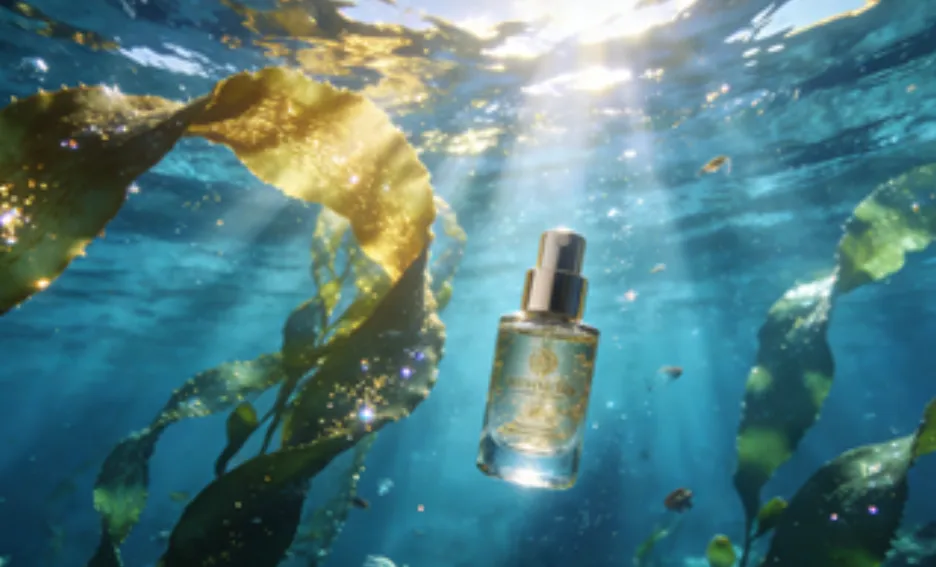
As a skincare enthusiast and beauty journalist based in New York, I’ve spent over a decade testing the latest formulas, dissecting ingredient lists, and chasing the next “holy grail” product that delivers on its promises. From drugstore staples to luxury icons, I’ve seen trends come and go—from retinol mania to hyaluronic acid hype, from CBD-infused serums to peptide-powered creams. But in recent years, one category has risen above the rest, captivating both beauty brands and discerning consumers alike: marine-derived ingredients. Specifically, (sea kelp), (plankton), and specialized algae extracts have become the backbone of high-end skincare lines like La Mer, Algenist, and OSEA, and for good reason. These ocean-sourced powerhouses aren’t just a marketing gimmick—they’re backed by science, steeped in sustainability, and deliver transformative results that address some of the most common skin concerns we face today: dryness, inflammation, signs of aging, and environmental damage.
I first fell in love with marine skincare during a trip to the coast of Brittany, France, a few years ago. I visited a small, family-owned skincare lab that harvested local seaweed by hand, using traditional methods passed down through generations. As I watched the team carefully collect giant kelp fronds from the crystal-clear waters, I realized there was something magical about these marine plants—they thrive in one of the harshest environments on Earth, enduring extreme pressure, fluctuating temperatures, and constant exposure to UV radiation, yet they remain resilient, vibrant, and full of life. It got me thinking: if these plants can survive and thrive in such harsh conditions, what could they do for our skin? That question led me down a rabbit hole of research, interviews with dermatologists and marine biologists, and countless product tests—and what I discovered changed my approach to skincare forever.
Today, I’m here to pull back the curtain on the ocean’s best-kept secrets, explaining why sea kelp, plankton, and marine extracts are the future of premium skincare, how brands like La Mer have mastered their use, and why you should be incorporating these ingredients into your routine (spoiler: your skin will thank you). We’ll dive deep into the science behind their修复功能 (repair capabilities), debunk common myths, and explore the sustainable practices that make these ingredients not just effective, but ethical too. Whether you’re dealing with sensitive skin, premature aging, or just want to elevate your self-care game, this article is for you.
The Science Behind Marine Ingredients: Why the Ocean Is a Skincare Goldmine
To understand why marine ingredients are so effective, we first need to appreciate the unique environment they come from. The ocean covers over 70% of our planet, and it’s home to some of the most biologically diverse organisms on Earth. Marine plants and creatures have evolved over millions of years to adapt to their surroundings, developing unique bioactive compounds that help them survive, repair damage, and thrive. These compounds—including antioxidants, vitamins, minerals, amino acids, and polysaccharides—are exactly what make them so beneficial for our skin.
Our skin is our body’s largest organ, and it faces a constant onslaught of stressors: UV rays, pollution, harsh weather, and even the products we use. Over time, these stressors break down our skin’s natural barrier, leading to dryness, redness, irritation, and the formation of fine lines and wrinkles. Marine ingredients work by mimicking our skin’s natural processes, replenishing lost nutrients, strengthening the barrier, and stimulating repair at a cellular level. Unlike synthetic ingredients, which can be harsh or ineffective, marine extracts are gentle, biocompatible, and packed with nutrients that our skin recognizes and absorbs easily.
According to Dr. Emma Carter, a board-certified dermatologist based in Los Angeles who specializes in holistic skincare, “Marine ingredients are a game-changer because they offer a unique combination of hydration, anti-inflammation, and antioxidant protection that’s hard to find in land-based ingredients. The compounds found in sea kelp and plankton are structurally similar to the lipids and proteins in our skin, which means they integrate seamlessly, providing long-lasting benefits without irritation.” Dr. Carter adds that her patients with sensitive or acne-prone skin often see significant improvements when switching to marine-based products, as they’re less likely to clog pores or trigger allergic reactions.
Another key advantage of marine ingredients is their sustainability—when harvested responsibly. Unlike many land-based crops, which require freshwater, fertilizers, and pesticides, sea kelp and algae grow rapidly in the ocean, absorbing carbon dioxide and helping to reduce ocean acidification. The Food and Agriculture Organization (FAO) reports that seaweed farming requires no freshwater, fertilizers, or pesticides, making it one of the most environmentally friendly ingredient sources. This aligns with the growing demand for clean, sustainable beauty products, particularly among millennials and Gen Z consumers who prioritize ingredient transparency and environmental responsibility. In fact, the global marine bio products market is projected to grow from USD 4936.03 million in 2026 to USD 7254.8 million by 2035, driven in large part by the demand for sustainable, natural ingredients in skincare and pharmaceuticals.
Sea Kelp: The “Miracle Plant” of the Deep
When it comes to marine skincare, sea kelp (also known as giant kelp or Macrocystis pyrifera) is the star of the show. This large brown algae grows in underwater forests, primarily in cold, nutrient-rich waters off the coasts of California, Norway, and Brittany. It’s one of the fastest-growing plants on Earth—some species can grow up to 2 feet per day, reaching lengths of over 100 feet. But it’s not just its size that makes sea kelp special; it’s the wealth of bioactive compounds it contains.
Sea kelp is packed with vitamins (A, C, E, K, and B vitamins), minerals (magnesium, calcium, potassium, iodine, and zinc), antioxidants (including fucoxanthin, a powerful carotenoid that gives kelp its brown color), and polysaccharides (such as algin, which has exceptional hydrating properties). These compounds work together to deliver a range of (repair benefits) for the skin:
1. Strengthening the Skin Barrier
Our skin’s barrier is responsible for locking in moisture and keeping out irritants. When it’s damaged, we experience dryness, flakiness, and sensitivity. Sea kelp’s polysaccharides—particularly algin—act as a natural humectant, drawing moisture from the environment and forming a protective film on the skin’s surface. This not only hydrates the skin but also strengthens the barrier, reducing water loss and protecting against environmental stressors like pollution and UV rays. A 2025 study published in the Journal of Cosmetic Dermatology found that participants who used a sea kelp-infused moisturizer for 4 weeks saw a 30% increase in skin hydration and a 25% reduction in transepidermal water loss (TEWL), a key measure of barrier function.
2. Reducing Inflammation and Irritation
Inflammation is the root cause of many skin issues, from acne and rosacea to eczema and sensitivity. Sea kelp contains anti-inflammatory compounds like fucoidan and laminarin, which help calm redness, soothe irritation, and reduce swelling. These compounds work by inhibiting the production of pro-inflammatory cytokines, which are responsible for triggering inflammation in the skin. For those with sensitive skin or conditions like eczema, sea kelp can be a game-changer—providing gentle, effective relief without the harsh side effects of synthetic anti-inflammatories.
3. Fighting Signs of Aging
Sea kelp is rich in antioxidants, which neutralize free radicals—unstable molecules that damage skin cells and accelerate the aging process. Fucoxanthin, in particular, is a potent antioxidant that’s been shown to reduce the appearance of fine lines and wrinkles by stimulating collagen production. Collagen is the protein that gives our skin its firmness and elasticity, and as we age, its production decreases. By boosting collagen synthesis, sea kelp helps to plump the skin, smooth out wrinkles, and restore a youthful glow. Additionally, sea kelp’s vitamin C content supports collagen production and brightens the skin, reducing the appearance of dark spots and hyperpigmentation.
4. Detoxifying the Skin
Our skin is constantly exposed to toxins, from pollution and makeup to harsh skincare products. Sea kelp’s iodine content helps to detoxify the skin, drawing out impurities and unclogging pores. This makes it an excellent ingredient for those with acne-prone skin, as it helps to reduce breakouts and prevent future ones. Additionally, sea kelp’s natural exfoliating properties help to remove dead skin cells, revealing smoother, brighter skin underneath.
La Mer: How Sea Kelp Became a Luxury Skincare Icon
No discussion of sea kelp in skincare would be complete without mentioning La Mer—the luxury brand that turned this humble marine plant into a global phenomenon. La Mer’s story begins in the 1960s, when Dr. Max Huber, a former aerospace engineer, suffered severe burns in a lab accident. Frustrated by the lack of effective skincare products to heal his skin, Dr. Huber turned to the ocean for inspiration. He spent 12 years experimenting with sea kelp and other marine ingredients, eventually developing the brand’s signature “Miracle Broth™”—a fermented blend of giant sea kelp and other natural ingredients that became the foundation of La Mer’s products.
What makes La Mer’s Miracle Broth™ so unique is the fermentation process. Dr. Huber discovered that fermenting sea kelp (along with other ingredients like vitamins, minerals, and oils) unlocked its full potential, making its bioactive compounds more potent and easier for the skin to absorb. Today, La Mer continues to use this proprietary fermentation process, which takes 3-4 months to complete, transforming sustainably harvested giant sea kelp into a golden amber elixir that’s infused into every product.
La Mer’s giant sea kelp is harvested by hand from the coast of Vancouver Island, where the cold, nutrient-rich waters produce some of the most potent kelp in the world. The harvest is done carefully, only taking the top fronds of the kelp forest, allowing sunlight to reach the lower levels and promote regeneration through photosynthesis. The kelp is then flash-frozen to preserve its freshness and potency before being fermented. This commitment to sustainability and quality is part of what makes La Mer a leader in luxury marine skincare—consumers are willing to pay a premium for products that are effective, ethical, and backed by a compelling story.
I’ve tested countless La Mer products over the years, and my favorite is the iconic Crème de la Mer. This rich, luxurious cream is infused with Miracle Broth™, and it delivers on its promise of healing and rejuvenating the skin. After just a few weeks of use, I noticed a significant improvement in my skin’s texture—it was smoother, more hydrated, and redness was reduced. Even during the harsh New York winters, when my skin tends to get dry and flaky, Crème de la Mer kept it soft and supple. It’s not cheap, but for those who prioritize quality and results, it’s worth every penny. And I’m not alone—La Mer is consistently one of the top-selling luxury skincare brands in the world, with a loyal following of celebrities, beauty influencers, and skincare enthusiasts.
La Mer has also expanded its use of marine ingredients beyond sea kelp, incorporating other algae extracts into its products. For example, the brand’s Genaissance de la Mer line includes Icelandic algae, cultivated in the pure waters off the coast of Stykkisholmur, where volcanic and geothermal activity creates a nurturing environment that infuses the algae with resilience and density-enhancing potency. The Filler Ferment, found in the Genaissance de la Mer Eye & Expression Cream, uses algae sourced from France’s Brittany region to soften dry lines around the eyes and mouth while delivering deep hydration. These innovations show that La Mer is constantly pushing the boundaries of marine skincare, leveraging the power of the ocean to create even more effective products.
Plankton: The Tiny Organisms with Big Skincare Benefits
While sea kelp gets most of the attention, plankton—microscopic marine organisms that drift in the ocean—are another marine ingredient that’s gaining traction in premium skincare. Plankton are the foundation of the marine food chain, providing food for everything from small fish to whales, but they’re also a treasure trove of bioactive compounds that benefit the skin. There are two main types of plankton used in skincare: phytoplankton (plant-like plankton) and zooplankton (animal-like plankton), both of which offer unique benefits.
Phytoplankton are rich in chlorophyll, vitamins, minerals, and antioxidants, including astaxanthin—a powerful carotenoid that’s 1000 times more potent than vitamin E and 550 times more potent than vitamin C. Astaxanthin is known for its anti-aging and anti-inflammatory properties, helping to reduce the appearance of fine lines, protect against UV damage, and calm sensitive skin. Additionally, phytoplankton contains omega-3 fatty acids, which help to hydrate the skin and strengthen the barrier.
Zooplankton, on the other hand, are rich in amino acids, peptides, and growth factors, which stimulate skin cell renewal and repair. These compounds help to boost collagen production, improve skin elasticity, and reduce the appearance of wrinkles. One of the most popular zooplankton ingredients in skincare is copepods—a tiny crustacean that’s rich in omega-3 fatty acids and antioxidants. Copepod extract has been shown to improve skin texture, reduce redness, and enhance radiance.
One brand that’s mastered the use of plankton is Lightstim, whose Photo Serum uses a specialized marine-based plankton ingredient called photosomes. These photosomes are activated by exposure to Lightstim’s LED devices, accelerating the body’s ability to heal by protecting the skin’s immune cells and assisting with the natural repair of UV-induced DNA damage. This synergy between marine ingredients and technology is a perfect example of how skincare is evolving, combining nature and science to deliver better results.
I recently tested a plankton-infused serum from a niche luxury brand, and I was impressed by how quickly it absorbed into my skin and how effective it was at reducing redness. After a week of use, my skin looked brighter and more even, and I noticed a reduction in the fine lines around my eyes. Plankton is a versatile ingredient that works well for all skin types, but it’s particularly beneficial for those with dull, tired skin or signs of premature aging. It’s also a great option for those who want to try marine skincare but prefer a lighter, more serum-like texture.
Specialized Algae Extracts: Beyond Kelp and Plankton
While sea kelp and plankton are the most well-known marine ingredients, there are hundreds of other algae species that are being used in premium skincare, each with its own unique set of benefits. These specialized algae extracts are often sourced from specific regions of the ocean, where they’ve adapted to unique environmental conditions, resulting in rare and potent bioactive compounds.
One example is red algae (Rhodophyta), which is rich in carrageenan—a polysaccharide that has exceptional hydrating and soothing properties. Red algae extract is often used in products for sensitive or dry skin, as it helps to calm irritation and lock in moisture. Another example is green algae (Chlorophyta), which contains chlorophyll, vitamins, and antioxidants that help to brighten the skin and reduce the appearance of dark spots. Green algae is also rich in fatty acids, which help to strengthen the skin barrier and improve elasticity.
Brown algae (Phaeophyta)—which includes sea kelp—is another category of algae that’s widely used in skincare. In addition to sea kelp, brown algae like bladderwrack and wakame are rich in fucoidan, laminarin, and fucoxanthin, all of which offer anti-inflammatory, anti-aging, and hydrating benefits. Bladderwrack extract, for example, is known for its detoxifying properties, helping to draw out impurities and unclog pores, while wakame extract is rich in amino acids and minerals that nourish and repair the skin.
The algae skincare market is growing rapidly, with the global market size expected to advance from USD 219.2 million in 2025 to USD 443.44 million by 2035, registering a CAGR of more than 7.3%. North America leads the market, with more than 39.1% revenue share in 2025, driven by high demand for natural and sustainable skincare solutions. Brands like Algenist, OSEA, and Herbivore Botanicals are leading the charge, incorporating specialized algae extracts into their products and emphasizing sustainability and transparency.
OSEA, a California-based brand, is particularly noteworthy for its commitment to sustainable algae sourcing. The brand uses organic, wild-harvested algae from the coast of Brittany, France, and works with local farmers to ensure that the harvest is done in a way that protects the marine ecosystem. OSEA’s Ocean Cleanser, which contains wakame and bladderwrack extracts, is a fan favorite, known for its gentle cleansing properties and ability to leave the skin feeling soft and hydrated.
Debunking Common Myths About Marine Skincare
Despite the growing popularity of marine skincare, there are still some common myths and misconceptions that prevent people from trying these products. Let’s address them one by one:
Myth 1: Marine ingredients are only for dry skin.
While it’s true that marine ingredients like sea kelp and algae are excellent for hydrating dry skin, they’re also beneficial for other skin types. For oily or acne-prone skin, sea kelp’s detoxifying properties help to unclog pores and reduce breakouts. For sensitive skin, the anti-inflammatory compounds in marine ingredients soothe irritation and redness. For mature skin, the antioxidants and collagen-boosting properties help to fight signs of aging. Marine ingredients are versatile and can be tailored to suit any skin type.
Myth 2: Marine skincare is just a marketing trend.
While it’s true that marine skincare has become a trend in recent years, it’s not just a marketing gimmick. The benefits of marine ingredients are backed by scientific research, and brands like La Mer have been using sea kelp for decades with great success. The growing demand for natural, sustainable skincare has only accelerated the popularity of marine ingredients, but their effectiveness is rooted in science, not hype. The global marine bio products market’s projected growth—from USD 4936.03 million in 2026 to USD 7254.8 million by 2035—speaks to the long-term potential of these ingredients.
Myth 3: Marine ingredients are expensive for no reason.
While premium marine skincare products can be expensive, there’s a reason for the price tag. Harvesting marine ingredients responsibly is labor-intensive—many brands harvest sea kelp and algae by hand to avoid damaging the marine ecosystem. Additionally, the fermentation and extraction processes used to unlock the full potential of these ingredients are time-consuming and costly. When you buy a marine skincare product, you’re not just paying for the ingredient itself—you’re paying for sustainability, quality, and the scientific research that goes into formulating the product. That being said, there are more affordable options available too, so you don’t have to break the bank to enjoy the benefits of marine skincare.
Myth 4: Marine ingredients are harmful to the ocean.
This is a common concern, but when harvested responsibly, marine ingredients are actually beneficial for the ocean. Sea kelp and algae absorb carbon dioxide and help to reduce ocean acidification, making them a key part of the marine ecosystem. Responsible brands work with local communities and marine biologists to ensure that their harvesting practices are sustainable, leaving enough algae and kelp in the ocean to regenerate. For example, La Mer’s hand-harvesting method ensures that the kelp forest remains healthy and productive, while OSEA works with local farmers to use organic, wild-harvested algae that’s replenished naturally. The “blue beauty” movement, which emphasizes protecting marine ecosystems, is driving brands to adopt even more sustainable practices, making marine skincare not just effective, but ethical too.
How to Incorporate Marine Ingredients into Your Skincare Routine
If you’re ready to add marine ingredients to your skincare routine, there are a few things to keep in mind. First, start with one product at a time to see how your skin reacts. While marine ingredients are gentle, it’s always a good idea to patch-test a new product before using it all over your face. Second, look for products that list marine ingredients high on the ingredient list—this means they’re present in higher concentrations and will be more effective. Third, choose brands that prioritize sustainability and transparency—look for certifications like organic, cruelty-free, and fair trade, and read up on the brand’s harvesting practices.
For Beginners:
If you’re new to marine skincare, start with a gentle cleanser or moisturizer. A sea kelp-infused cleanser will help to detoxify your skin without stripping it of its natural oils, while a plankton or algae-infused moisturizer will provide hydration and protection. La Mer’s The Cleansing Foam is a great option for beginners—it’s gentle, effective, and infused with Miracle Broth™. For a more affordable option, try OSEA’s Ocean Cleanser, which contains wakame and bladderwrack extracts.
For Intermediate Users:
If you’re already familiar with marine skincare, add a serum or treatment to your routine. A sea kelp or plankton serum will deliver a concentrated dose of bioactive compounds, targeting specific concerns like fine lines, redness, or dullness. Algenist’s Genius Liquid Collagen is a popular choice—it contains algae extract and collagen peptides to boost firmness and elasticity. Lightstim’s Photo Serum, which uses plankton photosomes, is another great option for those looking to combine marine ingredients with LED technology.
For Advanced Users:
For those who want to go all-in on marine skincare, build a full routine using products that complement each other. Start with a marine-infused cleanser, followed by a toner with algae extract, a serum with sea kelp or plankton, a moisturizer, and a sunscreen (don’t forget sunscreen—marine ingredients can enhance your skin’s sensitivity to UV rays, so protection is key). La Mer’s full range of products is designed to work together, with Miracle Broth™ running through each formula, but you can also mix and match products from different brands to create a routine that works for you.
The Future of Marine Skincare: What’s Next?
As consumers become more conscious of what they put on their skin and the impact their choices have on the environment, marine skincare is only going to grow in popularity. Brands are already investing in research and development to discover new marine ingredients and improve existing ones. For example, scientists are currently studying the potential of deep-sea algae—algae that grows in the darkest, deepest parts of the ocean—to unlock even more potent bioactive compounds. These deep-sea algae are exposed to extreme pressure and no sunlight, so they’ve developed unique survival mechanisms that could translate to powerful skincare benefits.
Another trend we’re seeing is the use of biotechnology to cultivate marine ingredients in labs, reducing the need for wild harvesting and ensuring a consistent supply. Lab-grown sea kelp and algae are identical to their wild counterparts, but they’re more sustainable and can be produced year-round. This technology is still in its early stages, but it has the potential to revolutionize the marine skincare industry, making these ingredients more accessible and affordable.
We’re also seeing a shift toward “blue beauty”—a movement that goes beyond just using marine ingredients to incorporating sustainable practices throughout the entire product lifecycle, from sourcing to packaging. Brands are using recycled ocean plastic for packaging, reducing their carbon footprint, and supporting marine conservation efforts. This aligns with consumer demand for ethical, sustainable products—according to a 2025 report by Emergen Research, 67% of beauty product purchasers actively seek natural ingredients, with marine-derived components ranking among preferred choices.
As someone who’s spent years exploring the world of skincare, I’m excited to see what the future holds for marine ingredients. The ocean is a vast, untapped resource, and we’ve only just begun to discover its potential. From sea kelp and plankton to deep-sea algae and lab-grown marine compounds, the possibilities are endless. And as brands continue to prioritize sustainability and transparency, we can enjoy the benefits of marine skincare while knowing that we’re doing our part to protect the ocean.
Final Thoughts: Why the Ocean Is the Best Skincare Partner You’ll Ever Have
At the end of the day, marine skincare is more than just a trend—it’s a holistic approach to beauty that combines the power of nature with the precision of science. Sea kelp, plankton, and algae extracts offer a unique set of benefits that no other ingredients can match: hydration, anti-inflammation, anti-aging, and detoxification, all while being gentle on the skin and the planet. Whether you’re using a luxury La Mer cream or an affordable algae serum, incorporating marine ingredients into your routine is a simple way to elevate your self-care and achieve healthier, more radiant skin.
I’ve seen firsthand the transformative effects of marine skincare—on my own skin and on the skin of the people I’ve recommended these products to. From reducing redness and dryness to smoothing out fine lines and boosting radiance, these ingredients deliver results that speak for themselves. And as someone who cares deeply about sustainability, I love that marine skincare allows me to look good while doing good—supporting brands that prioritize the health of our oceans.
So, the next time you’re browsing the skincare aisle or shopping online, take a moment to look for products with sea kelp, plankton, or algae extracts. Your skin will thank you, and so will the ocean. After all, the best skincare ingredients aren’t found in a lab—they’re found in the depths of the sea, waiting to be discovered.
As we continue to explore the ocean’s secrets, one thing is clear: marine ingredients are here to stay. They’re not just a passing trend—they’re the future of premium skincare, and I, for one, can’t wait to see what’s next.
Leave a Reply